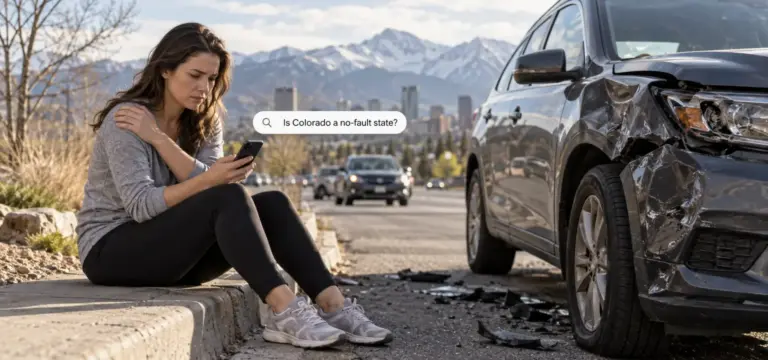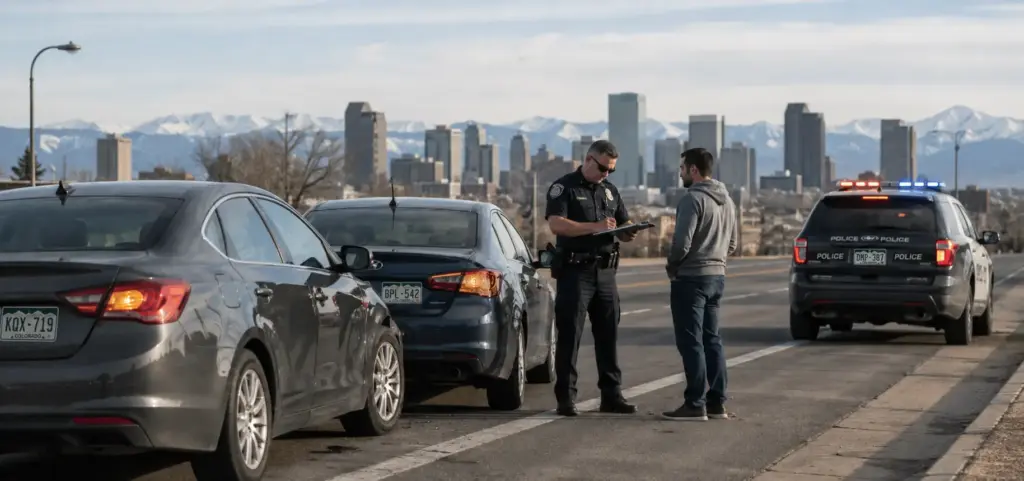
A car accident can leave you with serious injuries, property damage, insurance claims, and questions about what comes next. One of the most important steps after a crash is getting a copy of the official police report. This critical documentation covers valuable information about the incident, the parties involved, and the factors surrounding the situation.
From busy intersections along Colfax Avenue and Speer Boulevard to heavily traveled routes, like I-25 and I-70, car accidents can happen all throughout the Denver metro area. If you were involved in a collision, knowing how to acquire a police report can help you gather valuable documentation for your insurance claim or potential legal case.
Why Do You Need a Police Report After a Car Accident in Denver?
A police report gives an official account of a crash and plays a critical role in the insurance claims process and any future legal action you pursue. Prepared by the responding officer, these documents cover the collision, including the parties involved, the location, the time, and the officer’s overall observations at the scene.
The report may also include investigation details, witness statements, and other relevant records that help determine fault. These records will help strengthen your claim by providing evidence to support your version of events. In addition to helping accident victims, these reports may improve public safety by allowing law enforcement to identify accident patterns and address traffic hazards. Since crash reports are usually public records, you can get a copy after processing.
What Information Is Included in a Denver Car Accident Report?
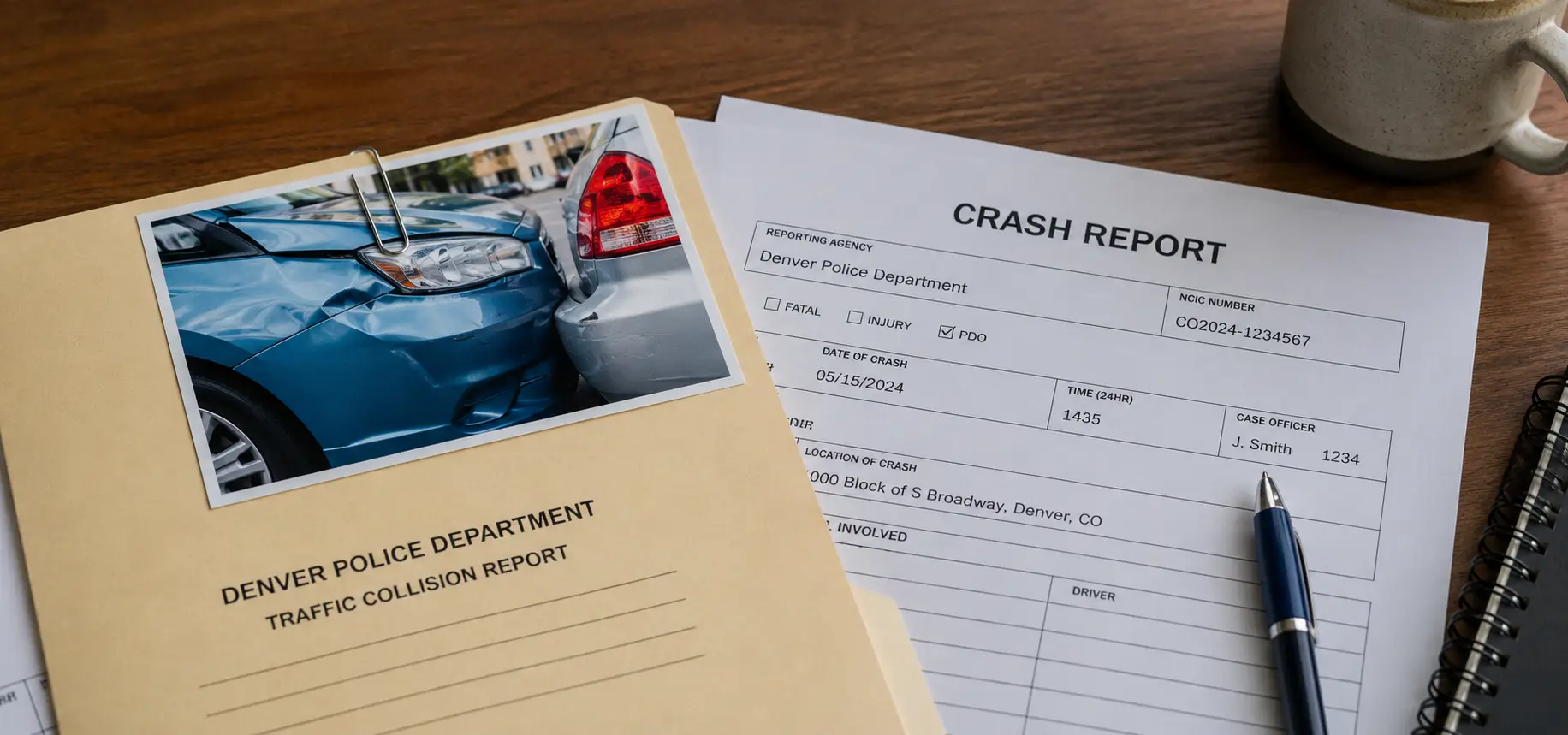
A car accident report has an identification section that includes basic details of the crash, like:
- Date
- Time
- Location
- Names of parties involved
Each report is assigned a unique case number, making it easier to locate and request a copy later. The document may also include witness statements, the responding officer’s observations, vehicle information, and other details relevant to the investigation.
Some accident files contain a computer-aided dispatch (CAD) report, which includes dispatch records showing when the incident was reported, when officers were sent to the scene, and when they arrived. Depending on the circumstances, certain information may be withheld or redacted, specifically if the crash is part of an ongoing investigation or involves sensitive personal information.
Is Your Report With Denver Police or Colorado State Patrol?
Whether your accident report is managed by the Denver Police Department (DPD) or the Colorado State Patrol (CSP) will depend on where the incident took place and which law enforcement agency responded to the scene.
If you are unsure who responded, check your exchange-of-information form, case number, citation paperwork, insurance claim notes, or any text/email confirmation from law enforcement. You can also contact the agency records unit with the crash date, location, and names of the drivers.
How Do You Request a Denver Police Crash Report Online?
If you are wondering how to get a copy of a Denver police report, you can typically get one by completing the appropriate request form through the Denver Police Department’s online records system. Sharing details, like the report number, date of the accident, and the names of the parties involved can help speed up the process.
The DPD may also allow you to send in an email request instead of accessing the online portal. After your information has been received, the Records Unit will assess and process the request in accordance with standard procedures. You can also request records through other approved methods if an online option is not available.
Since crash reports are usually considered public records, access to them is governed by the Colorado Criminal Justice Records Act (CCJR). While many are available for public inspection, such records may be withheld or redacted in certain cases, like when they involve confidential details or an active investigation. Similar restrictions may also be applied to other criminal justice records based on the type of document being requested.
Can You Request a Crash Report by Mail or in Person?
If you would rather not submit your request online, you may be able to get a crash report by mail or in person. To do this, you will need to fill out a request form and provide identifying details, like the accident date, report number, and any required proof of eligibility.
For mail submissions, be sure to use the correct physical address provided by the records office and include your contact information, like your telephone number, so the office can reach you if any additional details are needed.
If you choose in-person access, you may be asked to present identification and sign documentation before getting the requested records. Usually, the person signs a form confirming the request and acknowledging any applicable requirements.
How Much Does a Denver Crash Report Cost and How Long Does It Take?
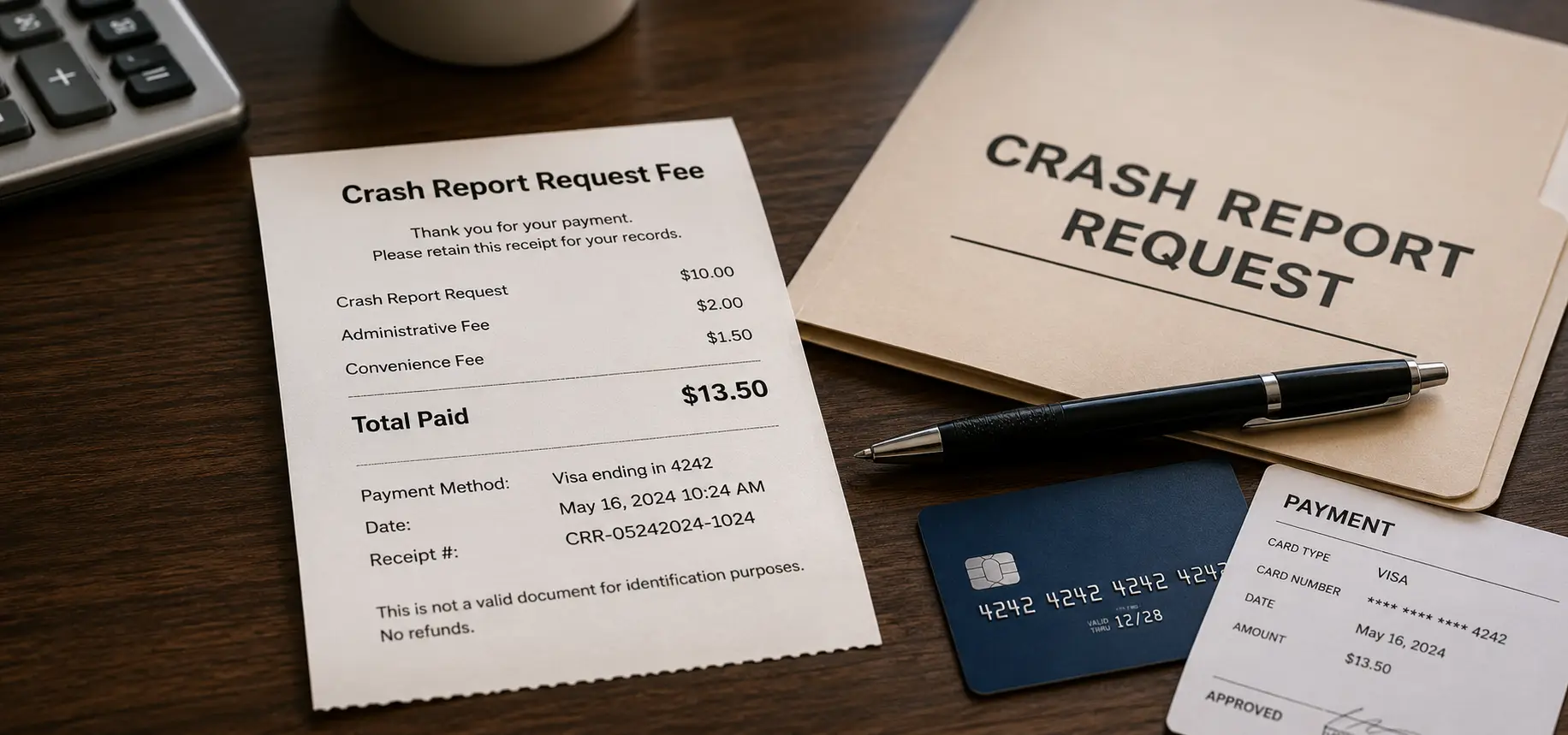
The cost and availability of a Denver crash report depends on various factors, such as the type of report requested and the factors surrounding the accident. Knowing these particular requirements can help you avoid delays and prepare for any applicable fees.
The Cost
The cost of obtaining a crash report will vary depending on the type of report requested, the number of pages included, and the method used to get the records. For standard cases on city streets, the DPD Records Unit charges a flat fee of $10 for a routine, six-page accident report. However, if the crash involves severe circumstances, like a hit-and-run or a wrongful death, the request must go through the Civil Liability Section, which will cost $15 for the first 10 pages plus $0.25 per additional page.
Certain records requests may be subject to a non-refundable $20.00 research fee, with extensive research billed at a maximum rate of $41.37 per hour. If the crash occurred on an interstate or highway rather than a city street, it may have been handled by the Colorado State Patrol instead, where reports cost $5.00.
Sometimes, an additional fee may be applied for copies, processing, or other related services that are associated with obtaining the report. The amount of time it takes for it to be obtained can depend on several factors, including the following:
- Whether the report has been finalized
- Whether the accident involved an ongoing investigation
- The volume of records being processed
The Waiting Period
While some routine reports become available within 5 to 10 business days, records specifying official actions are managed under specific statutory rules. More detailed requests for an extensive investigation report or detective’s notes, which may be routed through specific units like Civil Liability, are regulated by the CCJRA.
The official custodian looks at things on a case-by-case basis to balance privacy with the public interest. While some reports become available shortly after the accident, others could take a much longer time period before they can be released. Knowing what the expected cost could be and the processing timeline can help you plan ahead when reaching out to request a copy of your accident report.
What If the Accident Involved a Fatality, Injury, or Ongoing Investigation?
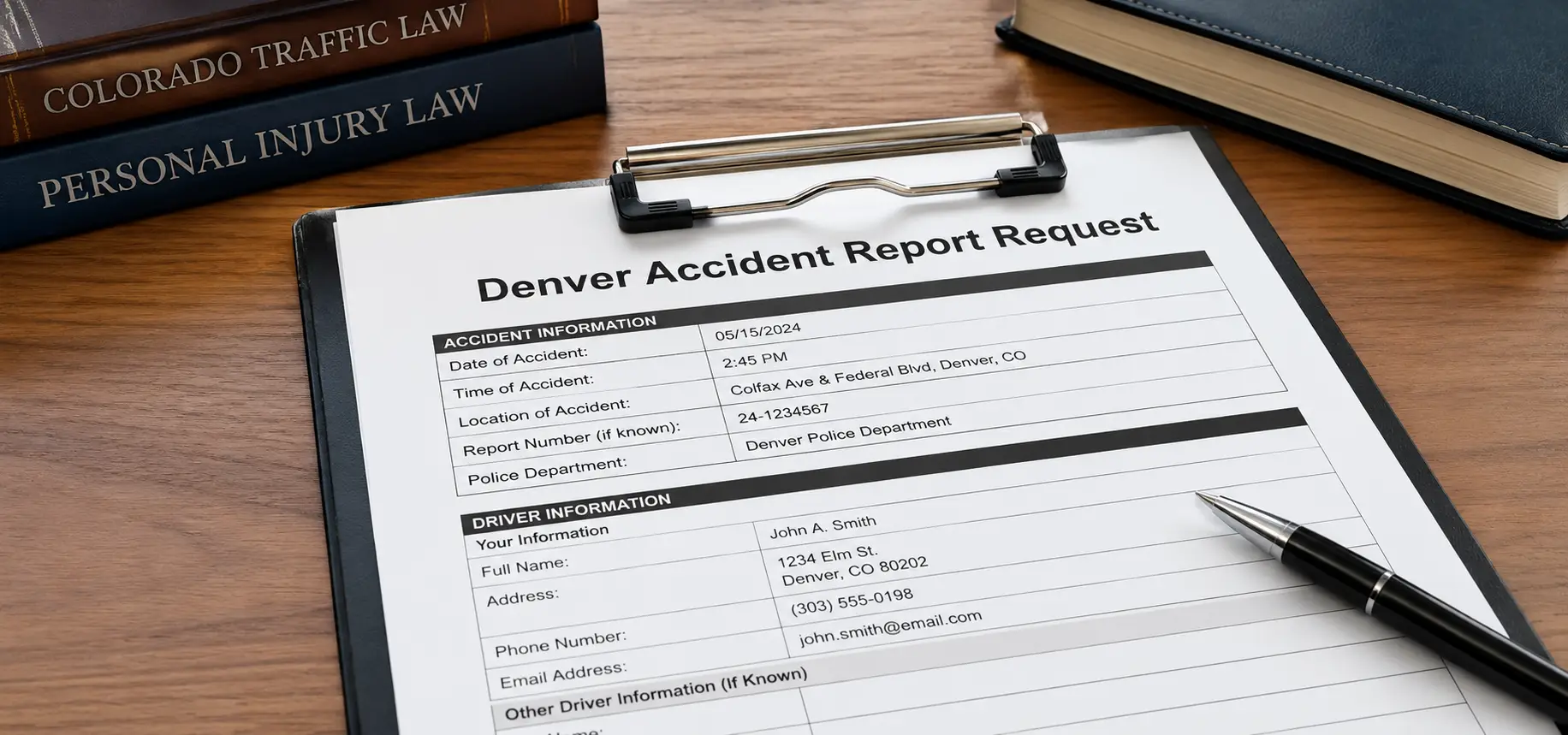
When a car accident involves a fatality, serious injuries, or an active investigation, access to certain records may be more limited. The availability of an investigation report and related documents may be determined through the official custodian of the records on a case-by-case basis based on the factors surrounding the incident.
Some details, like a detective’s notes, internal investigative materials, or facts surrounding the official actions taken during an active investigation, may not be immediately available. Law enforcement agencies may withhold certain information if releasing those records could interfere with an ongoing investigation, expose sensitive investigative contents, or violate the privacy of the individuals involved.
In more complicated cases, reports may involve specific units, like accident investigation teams or other investigative divisions. Although transparency and public interest are important factors to consider, records pertaining to serious crashes may require additional evaluations before they can be released.
What If No Officer Came to the Accident Scene?
If no police officer responded to the scene, you may still have a duty to report the crash under Colorado law. Under C.R.S. § 42-4-1606, Colorado drivers have a legal duty to report any accident involving injuries or property damage if law enforcement doesn’t investigate at the scene.
An online report contains important details surrounding the crash, but it will differ from a traditional report made by a responding officer. After submitting the report, you may be given a case number that can help you locate the file later.
Keeping this information, in addition to any related documents, can be useful when communicating with your insurance company or acquiring additional records. Based on the circumstances surrounding the accident, you may need to provide other information or supporting materials to complete the reporting process or help with a claim.
What Should You Do If Your Police Report Has an Error?
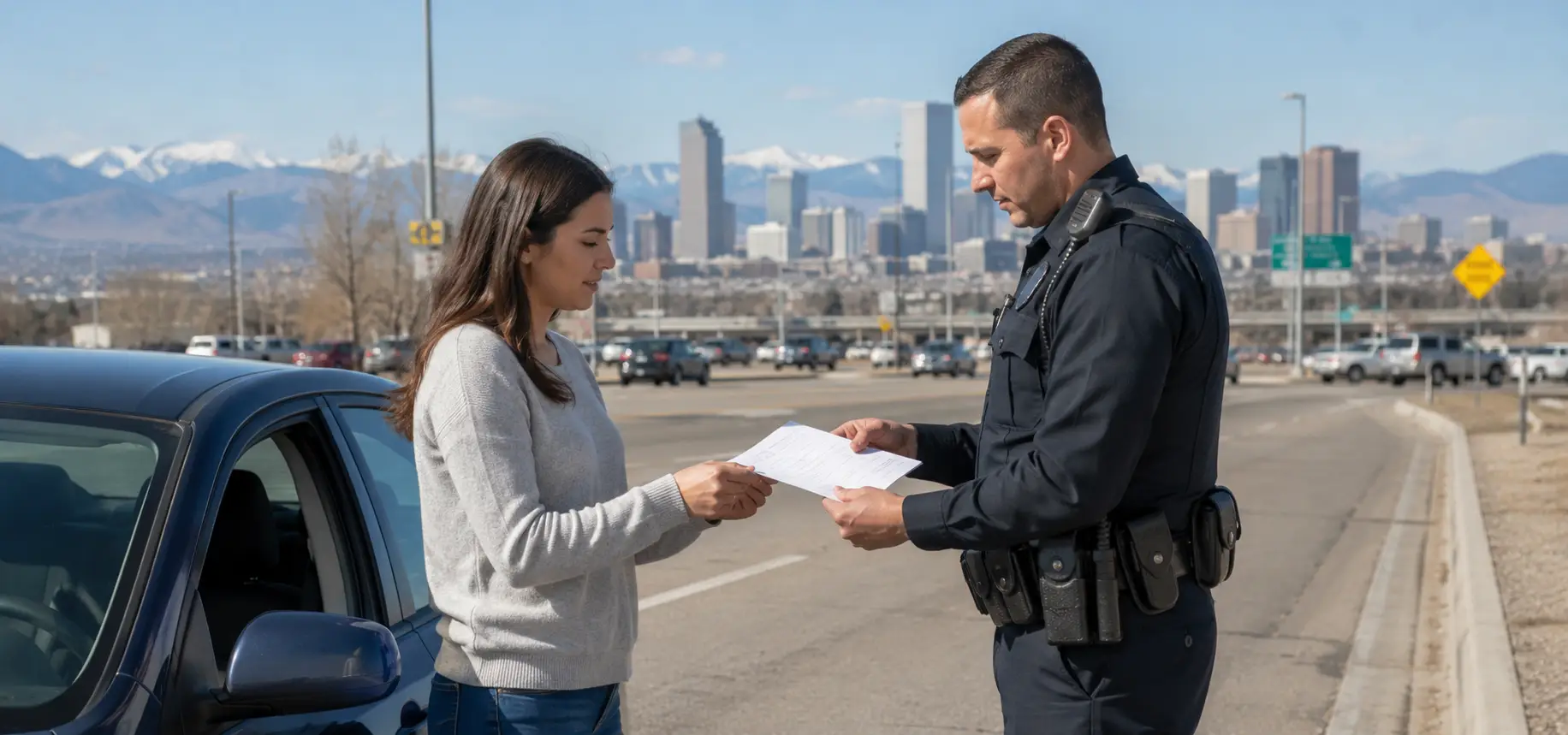
If you notice an error in your police report, you should get in touch with the appropriate law enforcement agency or records unit to determine the steps needed to have your information corrected. You should be prepared to give out the case number linked to the report and explain what specific details appear to be inaccurate.
You may need to request records related to the accident to go over the report and identify discrepancies. Supporting documents or proof that demonstrates the correct facts, like photographs, statements, and or types of evidence, can help support your request for an adjustment.
Keep in mind, however, that police reports cannot usually be changed because a party does not agree with an officer’s conclusions. Factual errors or missing content, on the other hand, may be reviewed by the appropriate department.
How Can Your Police Report Affect Your Car Accident Claim?
A police report can play an important role in a car accident claim by providing an official record of the collision and the circumstances surrounding it. Police records may help insurance companies, legal experts, and other parties understand what happened and assess the evidence available.
Information included in the report, like witness statements or observations made from the responding officer, can help establish important facts about the situation. While a police report does not necessarily assign fault, it can be used as valuable support when combined with medical records, photographs of the incident, and other information pertaining to the claim.
A Colorado personal injury attorney can look into the report and the evidence presented to determine how it may affect your case. Having the documentation obtained early in the claims process can help ensure critical information has been acquired and is available to use when negotiating with insurance companies or seeking compensation.
Need Help After a Denver Car Accident? Contact West Coast Trial Lawyers Today

Getting a copy of your car accident report can help you understand what information was documented after the incident and provide important evidence for your personal injury claim. From requesting the report to reviewing its contents and addressing any inaccuracy, knowing how to access these records can help you take the right steps after a collision.
If you were injured in a car crash as a result of someone else’s negligence, West Coast Trial Lawyers is here to help. Our Denver car accident attorneys can help assess your options, gather supporting evidence, and guide you through the claims process. We are committed to protect your rights and pursue full compensation for the losses you incurred.
To book a FREE consultation, you can get in touch with us by calling (213) 927-3700 or filling out our easy online contact form.