Imagine walking down the Strip and seeing someone collapse on the sidewalk or driving past a bad crash on I-15 where the driver is unconscious behind the wheel. Most of us want to help in those moments. But a surprising number of people hesitate, because they are worried about one very specific thing: getting sued for trying to do the right thing.
Nevada’s Good Samaritan law exists to solve that exact problem. It gives ordinary bystanders legal protection when they step in during an emergency, so that the fear of a lawsuit does not stop someone from saving a life. And Nevada actually goes a step further than most states, with a separate statute aimed at one of the deadliest emergencies we face today: drug overdoses.
Here is what the Nevada Good Samaritan law actually says, who it protects, who it does not protect, and what it means if you are ever hurt by (or in the process of) a rescue attempt.
What Is the Nevada Good Samaritan Law?

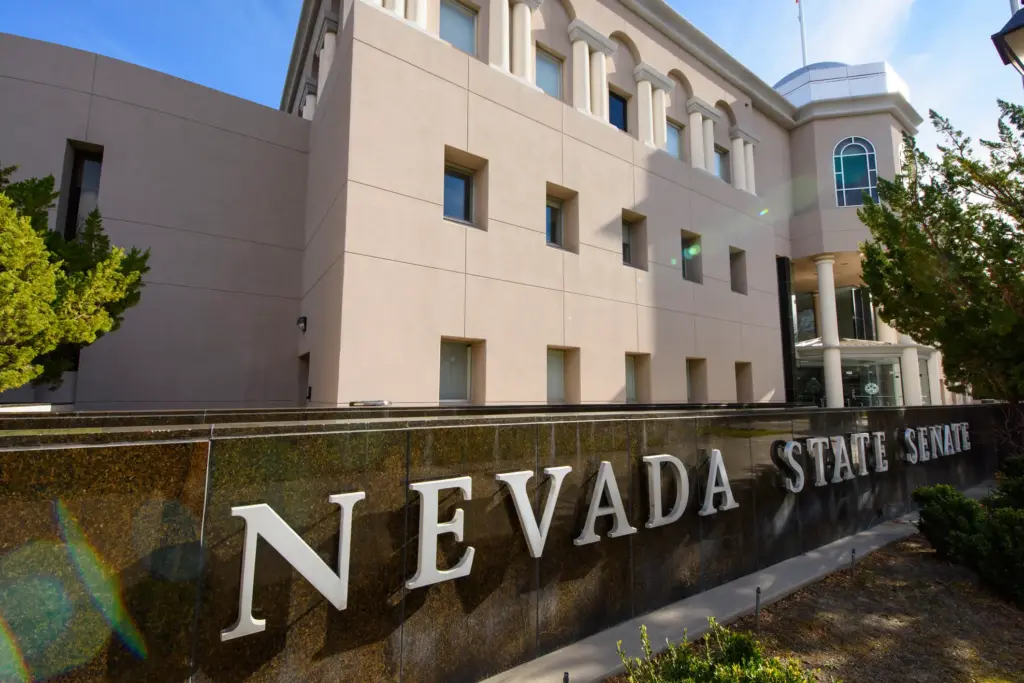
Nevada’s Good Samaritan law is found in NRS 41.500. At its core, it says that any person in Nevada who renders emergency care in good faith, and without expecting payment, cannot be held civilly liable for injuries that result, unless their actions amount to gross negligence.
In plain language: if you see an emergency and try to help, and something goes wrong, the law generally has your back, as long as you were not being reckless or trying to cause harm.
Nevada’s version shares the same basic DNA as California’s Good Samaritan law, but there are some important differences in who it covers, how it applies to drug overdoses, and where Nevada courts have drawn the line.
What Has to Be True for the Law to Protect You?
Nevada courts have interpreted NRS 41.500 fairly narrowly and in order to qualify for Good Samaritan protection, four conditions generally need to be met:
- A real emergency exists- The situation must be a genuine, urgent emergency, not an inconvenience or a minor problem.
- You did not cause the emergency- If you were the one who caused the accident in the first place, the Good Samaritan law will not save you from civil liability for that underlying harm.
- The person you are helping is actually injured or at risk- Nevada’s statute is written for rescuers of injured people, not for people who are just being helpful in a non-emergency.
- You act without expecting payment- The aid must be gratuitous. If you charge, bill, or expect compensation, the protection goes away.
These criteria come out of Nevada’s statute and case law and one of the most important cases on this is Buck v. Greyhound Lines, Inc. (1989), where the Nevada Supreme Court ruled that a retired police officer who stopped to help a stalled car was not protected by NRS 41.500.
The main reason was because the court found that no true emergency existed yet when the officer stopped, and the officer’s own advice (telling the driver to turn off their headlights) actually helped create the later emergency when a Greyhound bus slammed into the stalled car.
Who Is Covered Under NRS 41.500?
The Nevada Good Samaritan statute covers a broader range of people than a lot of folks realize. According to NRS 41.500, protection extends to:
- Any ordinary bystander who gives emergency care in good faith.
- Volunteer members of search and rescue organizations operating under a county sheriff’s supervision.
- Volunteers with public fire-fighting agencies authorized to render emergency medical care.
- People trained in CPR who administer compressions in good faith, as long as they completed a Red Cross or American Heart Association certified course.
- People using an AED (automated external defibrillator) in good faith during a cardiac emergency.
- Off-duty medical professionals who voluntarily help outside their scope of employment.
The law is intentionally broad because lawmakers wanted to remove as many excuses as possible for not helping.
What the Law Does NOT Cover
Nevada’s Good Samaritan law is generous, but it has real limits. You are not protected if:
- You caused the accident or emergency in the first place- If you ran a red light and hit a cyclist, you cannot escape liability for that collision just because you stopped to help afterward.
- You expected payment- The assistance has to be voluntary and gratuitous.
- You acted with gross negligence or intent to harm- Reckless behavior or willful misconduct voids the protection.
- You had a pre-existing legal duty to help- On-duty paramedics, ER doctors, lifeguards on a shift, nursing home staff, and other professionals already have a duty of care to the people in front of them. They are held to their professional standard, not the lower Good Samaritan standard.
- You are performing court-ordered community service- NRS 41.500 specifically excludes aid given as part of disciplinary community service under Title 54 of NRS.
What Counts as “Gross Negligence”?
This is where Nevada’s Good Samaritan law draws its sharpest line. You are protected from ordinary mistakes, but not from gross negligence. So what is the difference between the types of negligence?
- Ordinary (simple) negligence means you failed to act with reasonable care. Breaking a rib while giving chest compressions is a textbook example. It is an unfortunate mistake, but it is within the range of what happens when an untrained person performs CPR in a real emergency.
- Gross negligence is more than a mistake. It is conduct showing a reckless or deliberate disregard for someone’s safety. Performing CPR on someone who is awake and breathing. Dragging an injured person across the ground by their broken leg when there was no danger. Attempting a medical procedure you have zero training for when help is right there. Not protected.
The Nevada Supreme Court has been clear that gross negligence requires something closer to recklessness than a good-faith error. If you acted in good faith and made a reasonable attempt to help, you are almost certainly covered.
Nevada’s Good Samaritan Drug Overdose Act

This is where Nevada’s Good Samaritan protections really stand out compared to other states. In 2015, Nevada passed Senate Bill 459, codified as Chapter 453C of the Nevada Revised Statutes, known as the Good Samaritan Drug Overdose Act in response to the opioid crisis, which continues to claim hundreds of lives per year in the state.
Under NRS 453C.150, a person who, in good faith, seeks medical help for someone experiencing a drug or alcohol overdose cannot be arrested, charged, prosecuted, or convicted for certain drug-related offenses, including:
- Possession of a controlled substance
- Possession of drug paraphernalia
- Use of a controlled substance
- Related local ordinance violations
This immunity applies if you:
- Report the overdose to 911, law enforcement, a poison control center, or a medical facility
- Assist someone else in making that report
- Provide care to the overdosing person while waiting for medical help
- Transport the person to a medical facility and notify the appropriate authorities
The immunity covers both the person who seeks help and the person who is the subject of the help request. So if you call 911 for a friend who overdosed at a party, neither of you can be charged with simple possession based on what the responding officers find.
Under NRS 453C.100, anyone who administers naloxone (Narcan) in good faith to someone they believe is overdosing is also protected from criminal prosecution, civil liability, and professional discipline. Pharmacists in Nevada are authorized to furnish naloxone without a prescription under NRS 453C.120. The state’s goal is straightforward: get people to call for help without fear, save lives, and worry about legal consequences later.
Are You Legally Required to Help?
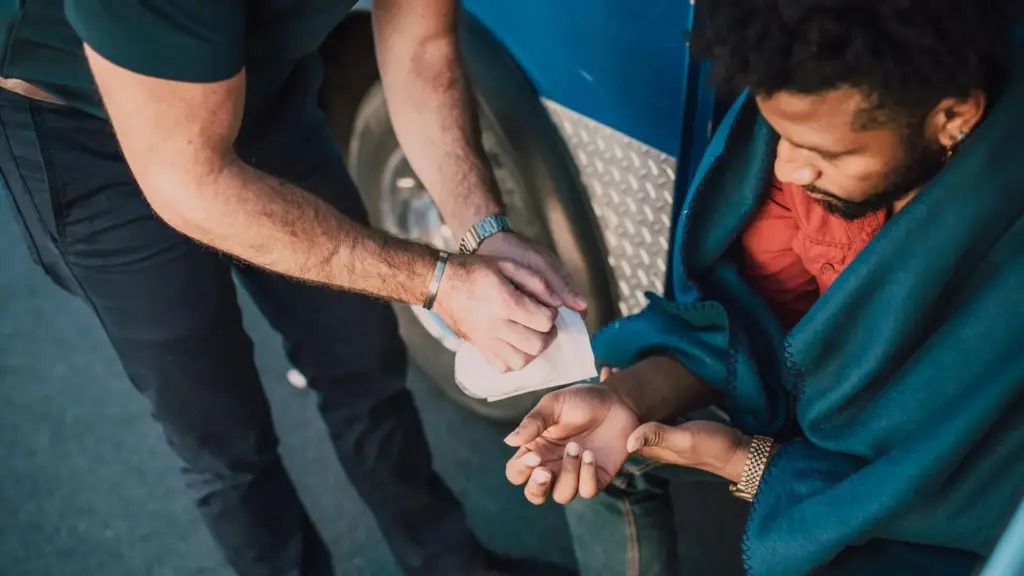
No, Nevada, like most states, does not impose a general legal duty to rescue on ordinary bystanders. You are not required to stop, call 911 (though you certainly should), know CPR, or to attempt it. That said, some people do have a legal duty to help:
- First responders on duty (paramedics, firefighters, police officers acting within their roles)
- Medical professionals in a professional setting like a hospital or clinic
- Certain caretakers such as nursing home staff with a resident in distress
- People who caused the emergency, who generally have a duty to render reasonable aid
For everyone else, the decision to help is yours. The Good Samaritan law exists to make that decision easier, not to force it.
Can a Good Samaritan Still Be Sued?
Yes, technically. Anyone can file a lawsuit over almost anything. What NRS 41.500 does is give you a powerful defense when you are sued for trying to help. As long as your conduct meets the statute’s requirements (genuine emergency, good faith, no gross negligence, no compensation), the court will generally dismiss the case or rule in your favor.
However, if you are injured by someone who claimed to be acting as a Good Samaritan but actually caused additional harm through recklessness or gross negligence, you may have grounds for a personal injury claim. That is where an experienced Nevada personal injury attorney becomes valuable, because untangling what counts as good-faith help versus gross negligence is fact-specific and often requires expert testimony. Nevada’s comparative negligence rules can also come into play when multiple parties share responsibility for an injury.
If You’ve Been Hurt in an Accident in Nevada

Most Good Samaritan situations end well, because most bystanders who step in truly are trying to help, and most injured people benefit from that help. But if you were hurt in an accident and are unsure whether what happened at the scene affects your case, talking to an attorney is the fastest way to get clear answers.
At West Coast Trial Lawyers, we have recovered over $1.7 billion for our clients, including many accident victims across Las Vegas, Henderson, Reno, Carson City, and throughout Nevada. We know Nevada’s Good Samaritan statute, the case law behind it, and how it interacts with other negligence doctrines. If you have questions about what happened to you, we are happy to listen, walk through your options, and help you figure out your next step.
Questions about a Nevada accident or a Good Samaritan situation? Call (213) 927-3700 or fill out our online contact form for a free, no-pressure consultation.