
A traumatic brain injury can change the way a person thinks, works, communicates, sleeps, remembers, and interacts with the people they love. For many injury victims, the hardest part is not just the initial hospitalization, but the time after the accident, when symptoms become harder to ignore, medical appointments pile up, insurance adjusters start asking questions, and family members realize that life does not feel the same anymore.
If you or someone you love suffered a head injury in Seattle because of another person’s negligence, you deserve answers from a legal team that understands how serious brain injury cases work. At West Coast Trial Lawyers, our Seattle brain injury lawyers represent people who have suffered concussions, traumatic brain injuries, skull fractures, and other life-altering head trauma after preventable accidents.
We help clients throughout Seattle and King County, and whether your injury happened in a car crash near downtown Seattle, or at work involving a negligent third party, our firm can help you understand your legal options. Our goal is to build a claim that reflects the full impact of your injury from your medical bills to any daily limitations you may face in the future.
Call us at (213) 927-3700 or fill out our online contact form for a free case review with one of our attorneys today!
Why Choose Our Seattle Brain Injury Lawyers?

A brain injury case is not the same as an ordinary accident claim. A person can look “fine” from the outside but struggle with symptoms such as memory problems, headaches, light sensitivity, dizziness, and sudden mood changes. Many victims are told to “give it time,” only to discover that their symptoms interfere with work, school, parenting, relationships, and independence.
At West Coast Trial Lawyers, our Seattle brain injury attorneys understand how these injuries are evaluated, documented, and proven. We know that a normal CT scan does not automatically mean someone is uninjured. We also know that insurance companies often try to minimize traumatic brain injury claims by calling them “mild,” “subjective,” “pre-existing,” or “unrelated” to the accident.
What Sets West Coast Trial Lawyers Apart
When you hire our firm, we focus on building a strong, evidence-based case from the beginning. This may include:
- Reviewing emergency room records, ambulance reports, imaging results, concussion evaluations, neurology notes, and rehabilitation records
- Working with medical experts who understand traumatic brain injuries and post-concussion symptoms
- Documenting how the injury affects your work, income, home life, memory, sleep, mood, and daily routine
- Preserving crash reports, surveillance footage, photographs, witness statements, business records, incident reports, and other liability evidence
- Calculating future medical needs, therapy costs, lost earning capacity, and long-term care requirements
- Preparing your case as though it may go to litigation, even when settlement is possible
We also understand the local realities of Seattle injury cases and how things like the city’s weather and road design can make serious accidents more likely and can make liability more complicated.
Brain Injuries Are Often More Serious Than They First Appear
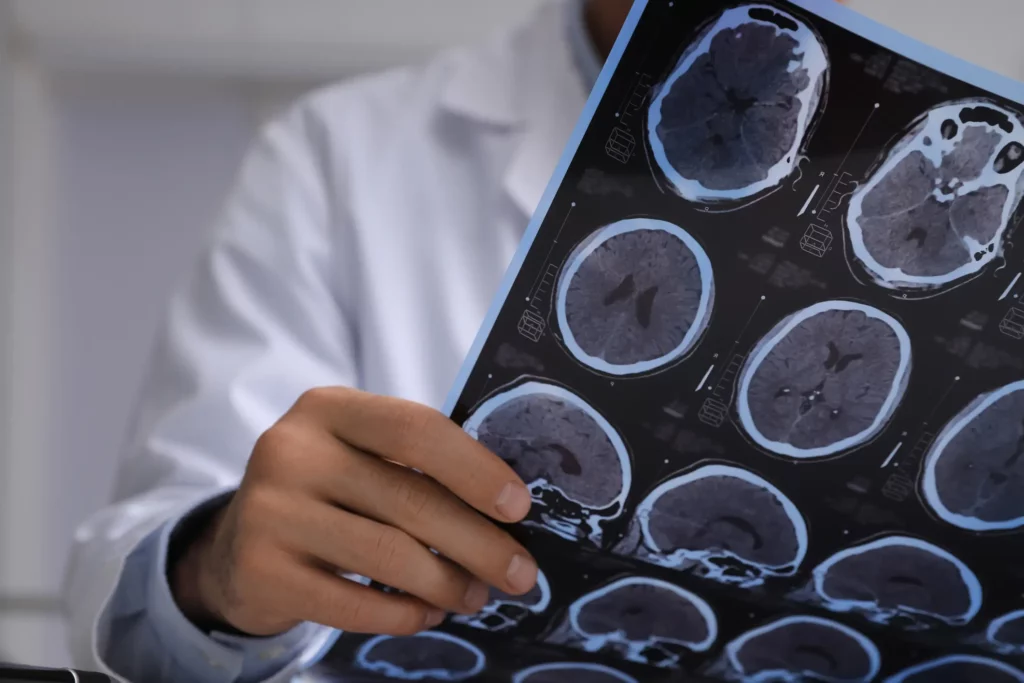
Not every traumatic brain injury involves a visible wound, loss of consciousness, or immediate diagnosis. Many people walk away from an accident thinking they are shaken up, only to experience worsening symptoms hours or days later. Others may go to the emergency room, receive basic imaging, and be discharged without fully understanding the need for follow-up care.
A traumatic brain injury can occur when a blow, jolt, rapid acceleration, violent shaking, or penetrating injury disrupts normal brain function. In Seattle personal injury cases, this can happen in a variety of accidents from rear-end collisions and pedestrian crashes to assaults and construction site accidents.
Brain injuries can also happen without the head directly striking an object. A sudden whipping motion can cause the brain to move inside the skull, potentially damaging brain tissue. This is one reason why car accident victims may develop concussion symptoms even when airbags do not deploy or there is no obvious head wound.
Common Symptoms After a Traumatic Brain Injury
Brain injury symptoms can be physical, cognitive, emotional, behavioral, or sensory. Some appear immediately. Others become more noticeable when the injured person tries to return to work, drive, read, use a computer, manage conversations, or complete daily tasks.
Common symptoms may include:
- Headaches or pressure in the head
- Dizziness, balance problems, or nausea
- Blurred vision or light sensitivity
- Ringing in the ears
- Fatigue or sleep disruption
- Brain fog or slowed thinking
- Difficulty concentrating
- Short-term memory problems
- Trouble finding words or following conversations
- Irritability, anxiety, depression, or mood swings
- Personality changes
- Sensitivity to noise
- Difficulty working on screens
- Reduced tolerance for stress
- Confusion or disorientation
- Seizures in more severe cases
No matter what the case may be, these symptoms should not be ignored. Even a so-called “mild” traumatic brain injury can disrupt someone’s life for months or longer. If you are experiencing symptoms after a Seattle accident, seek medical attention as soon as possible. Medical care protects your health, creates a record of your condition, and helps connect your symptoms to the incident.
Why Seattle Brain Injury Cases Require Local Knowledge

Seattle is not a generic accident market, the way people get hurt here is shaped by the city’s geography, traffic patterns, infrastructure, transit systems, and weather. A severe brain injury case may involve a crash on a high-speed corridor like Aurora Avenue North, a pedestrian injury near Pike Place Market, or an unsafe apartment stairway in the University District. Each scenario may involve different defendants, different insurance policies, different evidence, and different legal deadlines.
Our firm understands how to investigate serious injury claims involving:
High-Traffic Seattle Roads and Corridors
Some of Seattle’s most dangerous injury cases involve high-volume roads where speed, congestion, and limited visibility can make collisions more severe. These cases often require prompt investigation. Skid marks fade, traffic camera footage may be overwritten, vehicles are repaired or destroyed, and witnesses become harder to reach. A traumatic brain injury lawyer can act quickly to preserve the evidence needed to prove fault.
Pedestrian and Bicycle Areas
Seattle has a large pedestrian and cycling population, especially in neighborhoods like Capitol Hill, South Lake Union, the University District, and along popular waterfront and trail areas. Pedestrians and cyclists have little protection when struck by cars, trucks, delivery vehicles, rideshare drivers, or buses. Head injuries are common because the force of impact can throw a person onto the pavement, into another vehicle, or against a curb, pole, or windshield.
Transit, Rideshare, and Commercial Vehicle Accidents
Seattle residents and visitors frequently rely on buses, rideshare vehicles, taxis, scooters, and delivery services. A brain injury case involving a commercial driver, transit operator, or rideshare driver can involve multiple insurance layers and questions about employment status, app activity, vehicle ownership, maintenance records, driver screening, and corporate responsibility.
Falls on Public or Private Property
Brain injuries are also common in fall cases and in Seattle, premises liability cases may involve any property from apartment buildings to shopping centers, to even schools and hospitals. Due to the nature of these cases, slip and fall cases often depend on whether the property owner or manager knew or should have known about the dangerous condition.
Seattle’s Medical and Rehabilitation Resources Matter in Brain Injury Cases

Seattle is home to major medical institutions and specialized providers that often play an important role in serious injury cases. Harborview Medical Center in First Hill is especially significant because it serves as Washington’s only designated Level I adult and pediatric trauma and burn center. Many catastrophic trauma patients from Seattle, King County, and the broader Pacific Northwest are treated there.
Depending on the injury, a brain injury victim may also require care from neurologists, neurosurgeons, rehabilitation physicians, vocational rehabilitation experts and other specialists depending on the severity of the brain damage. This treatment history can become critical evidence in a personal injury claim because medical records and medical expenses may help prove:
- The nature and severity of the brain injury
- Whether symptoms are consistent with the accident
- Whether the injury affects cognition, memory, balance, mood, or executive function
- Whether future treatment is needed
- Whether the person can return to the same job
- Whether accommodations, therapy, or long-term care are necessary
- Whether the person has permanent limitations
Common Types of Brain Injuries in Seattle Accident Claims

While brain injuries vary widely, some people recover after weeks of rest and therapy. Meanwhile, others face permanent cognitive, physical, emotional, or behavioral changes.
Concussions
A concussion is a type of traumatic brain injury that may occur after a blow, jolt, or rapid movement of the head. Concussions are often called “mild” TBIs, but that label can be misleading, because a concussion can cause headaches, confusion, dizziness, nausea, light sensitivity, fatigue, sleep problems, memory issues, and emotional changes. Some people develop post-concussion syndrome, meaning symptoms continue for weeks, months, or longer.
Contusions
A brain contusion is defined as the bruising of brain tissue and this can occur when the head strikes an object or when the brain moves forcefully inside the skull. Contusions can be serious and may require monitoring or surgical intervention depending on swelling, bleeding, and location.
Diffuse Axonal Injury
Diffuse axonal injury can occur when rapid acceleration or deceleration damages nerve fibers in the brain. These injuries may happen in high-impact car crashes, motorcycle accidents, falls, or violent trauma. Diffuse axonal injuries can be difficult to detect on routine imaging but may cause significant long-term impairment.
Skull Fractures
A skull fracture may occur when the head strikes a hard surface or object. Some fractures are relatively straightforward, while others can involve bleeding, infection risk, brain tissue damage, or injury to blood vessels.
Brain Bleeds and Hematomas
A brain bleed can be life-threatening. Subdural hematomas, epidural hematomas, intracerebral hemorrhages, and other bleeding injuries may require emergency treatment. Symptoms may worsen over time, which is why prompt medical care is essential after head trauma.
Hypoxic or Anoxic Brain Injuries
A brain injury can also occur when the brain is deprived of oxygen. These injuries may happen in drowning incidents, near-drowning cases, medical negligence, toxic exposure, carbon monoxide incidents, or severe trauma that interferes with breathing or circulation.
How a Seattle Brain Injury Lawyer Proves Liability
To recover compensation in a Washington brain injury claim, you generally need to prove that another person or entity caused your injury through negligence, recklessness, unsafe conduct, or wrongful action. An experienced brain injury attorney will conduct an investigation that may focus on:
- Who owed you a duty of care
- How that person or entity violated the duty
- Whether the violation caused the accident
- Whether the accident caused or worsened your brain injury
- What damages you suffered as a result
For example, in a Seattle car accident case, personal injury attorneys may review police reports, vehicle damage, intersection design, dashcam footage, insurance coverage, and medical records. Meanwhile, in a premises liability case, a personal injury law firm may review incident reports, maintenance logs, surveillance footage, prior complaints, and inspection records to prove fault.
Washington Law That May Affect Your Brain Injury Claim

Washington personal injury law can significantly affect how a brain injury case is valued and pursued. The following rules are especially important.
Washington’s Statute of Limitations for Personal Injury Claims
Under RCW 4.16.080, many Washington personal injury claims must be filed within three years. This legal deadline may apply to brain injury claims arising from car accidents, pedestrian accidents, falls, bicycle crashes, motorcycle collisions, negligent security incidents, and other injury cases. However, the deadline can vary depending on the facts. Claims involving government entities, minors, medical negligence, wrongful death, or delayed discovery may involve different rules.
Comparative Fault in Washington
Washington follows a comparative fault system under RCW 4.22.005. This means that if you are found partially responsible for the accident, your compensation may be reduced by your percentage of fault. However, being partially at fault does not automatically prevent you from recovering compensation. For example, an insurance company may argue that a motorcyclist was speeding in order to reduce the value of a claim especially if they are not challenged with evidence.
Wrongful Death After a Fatal Brain Injury
If a traumatic brain injury results in death, surviving family members may have legal rights under Washington’s wrongful death laws. Under RCW 4.20.010 and RCW 4.20.020, the laws outline how a personal representative such as a spouse, child, and parent may bring a wrongful death claim when a death is caused by the wrongful act, neglect, or default of another person.
Fatal brain injury cases require careful handling because they often involve both grief and complex damages, including loss of financial support, leftover hospital bills, loss of companionship, funeral costs, and the emotional impact on surviving family members.
What Compensation Can You Recover in a Seattle Brain Injury Case?
The value of a brain injury claim depends on the facts of the accident, the severity of the injury, the available insurance coverage, the quality of the evidence, the long-term prognosis, and how the injury affects the person’s life.

Potential damages may include:
- Hospitalization
- Surgery
- Neurosurgery care
- Imaging and diagnostic testing
- Prescription medication
- Physical therapy
- Occupational therapy
- Cognitive rehabilitation
- Future medical treatment
- Lost wages
- Reduced earning capacity
- Loss of employment opportunities
- Pain and suffering
- Emotional distress
- Loss of enjoyment of life
- Home modifications
- Loss of consortium in qualifying cases
- Wrongful death damages when the injury is fatal
Brain injury damages can be difficult to calculate because the injury may affect every part of a person’s life. A person may still be able to walk and speak but may no longer be able to manage deadlines, handle stress, work full shifts, maintain relationships, drive safely, or live independently without support. That is why it is recommended to hire a skilled attorney to look beyond the initial medical bills.
Why Insurance Companies Undervalue Brain Injury Claims

Insurance companies often try to reduce brain injury claims by focusing on what they cannot see. They may argue that the injured person looks normal, had a normal CT scan, waited too long to seek treatment, had prior injuries, or is exaggerating symptoms.
However, these arguments can be misleading because brain injuries do not always appear on standard imaging and some victims try to work through pain and cognitive problems because they cannot afford to stop working.
In fact, some of the most common insurance tactics include:
- Calling the injury a minor concussion
- Blaming symptoms on stress or aging
- Arguing that the accident was not severe enough to cause a brain injury
- Using gaps in treatment against the victim
- Requesting recorded statements early in the claim
- Offering a quick settlement before the full prognosis is known
- Hiring defense medical experts to minimize symptoms
- Surveillance or social media monitoring
- Claiming the victim is partially at fault
A Seattle brain injury lawyer can protect you from these tactics, communicate with the insurance company, and help ensure that your claim is supported by medical evidence and expert analysis.
What To Do After a Brain Injury Accident in Seattle
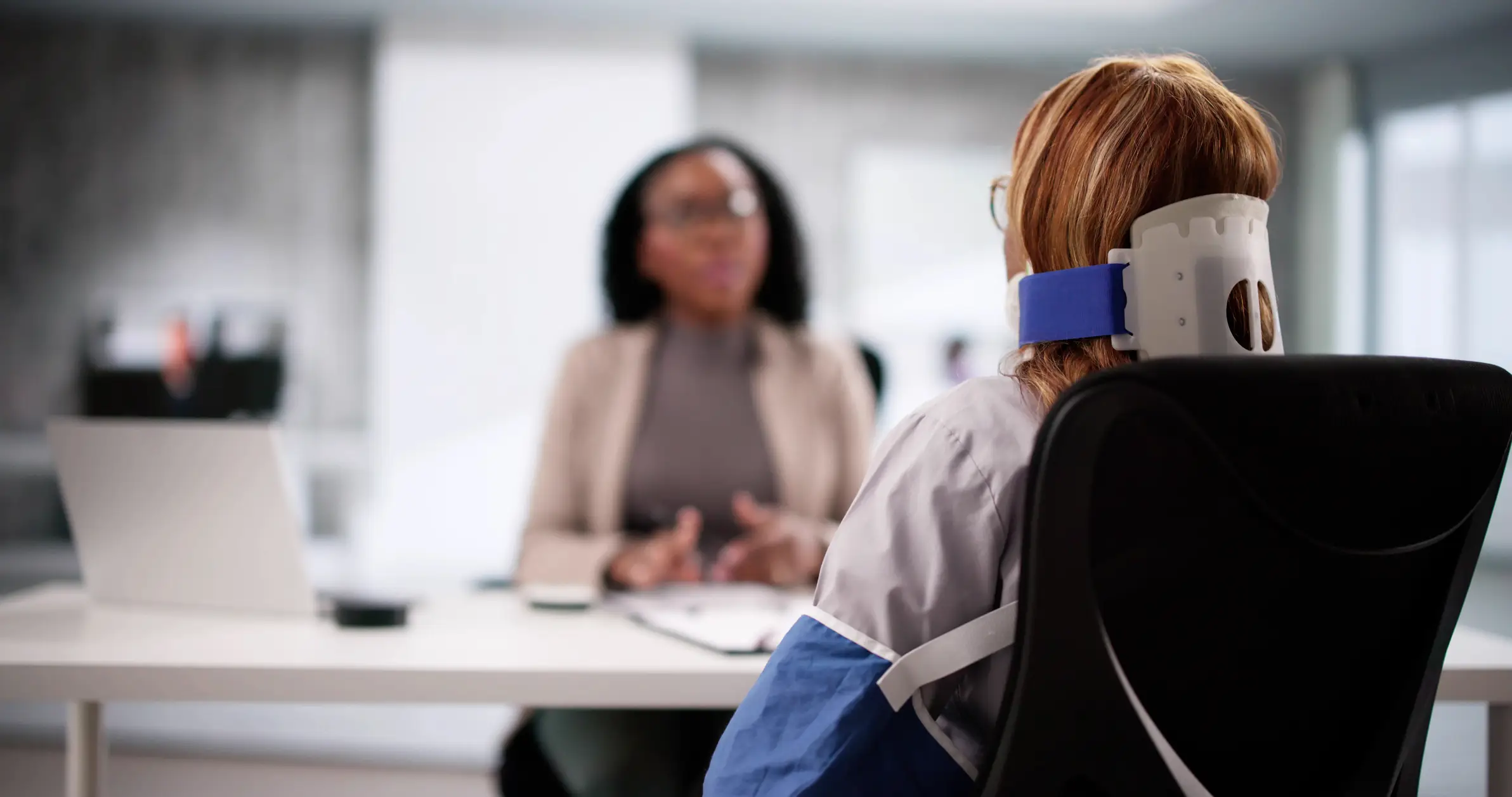
After a head injury, your priority should be your health. But the steps you take after the accident can also affect your legal claim.
Seek Medical Care Immediately
Do not wait to get evaluated, if symptoms worsen, call 911 or go to the nearest emergency room. Even if you were already seen once, follow up if headaches, confusion, dizziness, nausea, memory issues, mood changes, sleep problems, or vision issues continue.
Follow Your Treatment Plan
Attend follow-up appointments and therapy sessions. Gaps in care may give insurers an excuse to argue that your injuries are not serious or not related to the accident.
Document Your Symptoms
Keep a daily symptom journal and write down headaches, sleep problems, memory issues, emotional changes, missed work, difficulty reading, trouble driving, and any tasks you can no longer perform normally.
Save Evidence
Preserve photographs, videos, damaged helmets, damaged vehicles, shoes, clothing, medical paperwork, insurance letters, incident reports, and witness contact information.
Avoid Giving a Recorded Statement Without Legal Advice
Insurance adjusters may seem friendly, but their job is to protect the insurer. A recorded statement can be used against you later, especially if your symptoms worsen after the statement is taken.
Do Not Rush Into a Settlement
Brain injury symptoms can evolve over time. Settling too early may leave you without compensation for future care, lost earning capacity, or long-term disability.
How Our Seattle Brain Injury Attorneys Build Strong Cases
A strong brain injury claim requires more than proving that an accident happened. We must connect the accident to the injury, show how the injury changed your life, and present damages in a way the insurance company, judge, or jury can understand. Our process may include:
- Immediate Case Investigation– We identify all potentially responsible parties and preserve key evidence. This can include drivers, employers, property owners, security companies, and other defendants.
- Medical Record Review– We collect and review medical records to understand the timeline of symptoms, diagnosis, treatment, referrals, imaging, therapy, and prognosis.
- Expert Consultation– Depending on the case, we may work with neurologists, neuropsychologists, accident reconstruction experts, life care planners, vocational rehabilitation experts, and treating physicians to get a better understanding of your condition.
- Long-Term Damage Analysis- We evaluate whether the injury may affect future earning capacity, household services, independent living, child care, transportation, education, and long-term health.
- Insurance and Asset Investigation– We identify available insurance coverage, including auto insurance, commercial policies, rideshare coverage, premises liability insurance, umbrella policies, uninsured/underinsured motorist coverage, and other potential sources of recovery.
- Settlement Negotiation and Litigation Preparation– We prepare each case for negotiation while remaining ready to litigate when the insurance company refuses to treat the injury seriously.
Do You Need a Lawyer for a “Mild” Traumatic Brain Injury?
Yes, it is often wise to consult a lawyer even if the injury was described as mild. A mild traumatic brain injury can still cause months of symptoms, missed work, medical treatment, emotional distress, and cognitive limitations. In addition, brain injury cases can become more difficult when evidence disappears or medical documentation is incomplete, so early legal guidance can help protect your claim.
Contact a Seattle Brain Injury Lawyer From West Coast Trial Lawyers Today
After a brain injury, you may feel overwhelmed, frustrated, and unsure of what to do next. You may be dealing with pain, confusion, medical appointments, and pressure from insurance companies, but you do not have to handle the legal process alone.
At West Coast Trial Lawyers, our Seattle brain injury lawyers are here to help you understand your rights, investigate your accident, and pursue compensation for the harm you suffered. We take brain injury cases seriously because we know the consequences can affect every part of a person’s life.
Contact us today at (213) 927-3700 or fill out our online contact form for a free consultation. We can review your case, explain your options under Washington law, and help you take the next step toward recovery.
Frequently Asked Questions About Seattle Brain Injury Claims
Can I File a Claim if My CT Scan or MRI Was Normal?
A normal scan does not always rule out a traumatic brain injury. Many concussions and post-concussion symptoms do not appear on routine imaging. Your symptoms, medical evaluations, specialist opinions, neuropsychological testing, and treatment history may still support your claim.
What if I Was Partially at Fault for the Accident?
Washington’s comparative fault law may still allow you to recover compensation even if you were partially responsible. Your compensation may be reduced by your percentage of fault, but partial fault does not automatically eliminate your claim.
How Much Is a Seattle Brain Injury Case Worth?
The value depends on the severity of the injury, the cost of medical care, future treatment needs, lost income, earning capacity, pain and suffering, long-term limitations, available insurance coverage, and how strongly liability can be proven. Brain injury cases can be worth significantly more when symptoms are permanent or affect the person’s ability to work or live independently.
Can I Sue if My Brain Injury Happened on Public Property in Seattle?
Possibly. Cases involving public sidewalks, public roads, government vehicles, public transit, or government-owned property may require special notice procedures before a lawsuit can be filed. These cases should be reviewed quickly because procedural requirements can affect your claim.
What if My Loved One Suffered a Fatal Brain Injury?
Washington law allows certain wrongful death claims when a person dies because of another party’s wrongful act, neglect, or default. A personal representative may bring the claim for qualifying beneficiaries. A lawyer can help your family understand who may file and what damages may be available.
What Evidence Helps Prove a Brain Injury Claim?
Helpful evidence may include medical records, ambulance reports, emergency room records, neurological evaluations, therapy notes, imaging, neuropsychological testing, witness statements, photographs, videos, incident reports, employment records, symptom journals, family observations, and expert opinions.
Should I Accept the Insurance Company’s Settlement Offer?
Do not accept a settlement until you understand the full extent of your injury. Brain injury symptoms may last longer than expected, and future medical care or lost earning capacity may not be obvious right away. Once you sign a release, you usually cannot reopen the claim later.
How Much Does It Cost to Hire a Seattle Brain Injury Lawyer?
Most personal injury lawyers handle brain injury cases on a contingency fee basis. This means you do not pay attorney fees upfront, and the lawyer is paid from the recovery if compensation is obtained. During a consultation, the attorney can explain the fee agreement and case costs.
How Soon Should I Contact a Lawyer After a Traumatic Brain Injury?
You should contact a lawyer as soon as possible. Early legal help can preserve evidence, protect you from insurance tactics, identify all responsible parties, and ensure important deadlines are not missed.