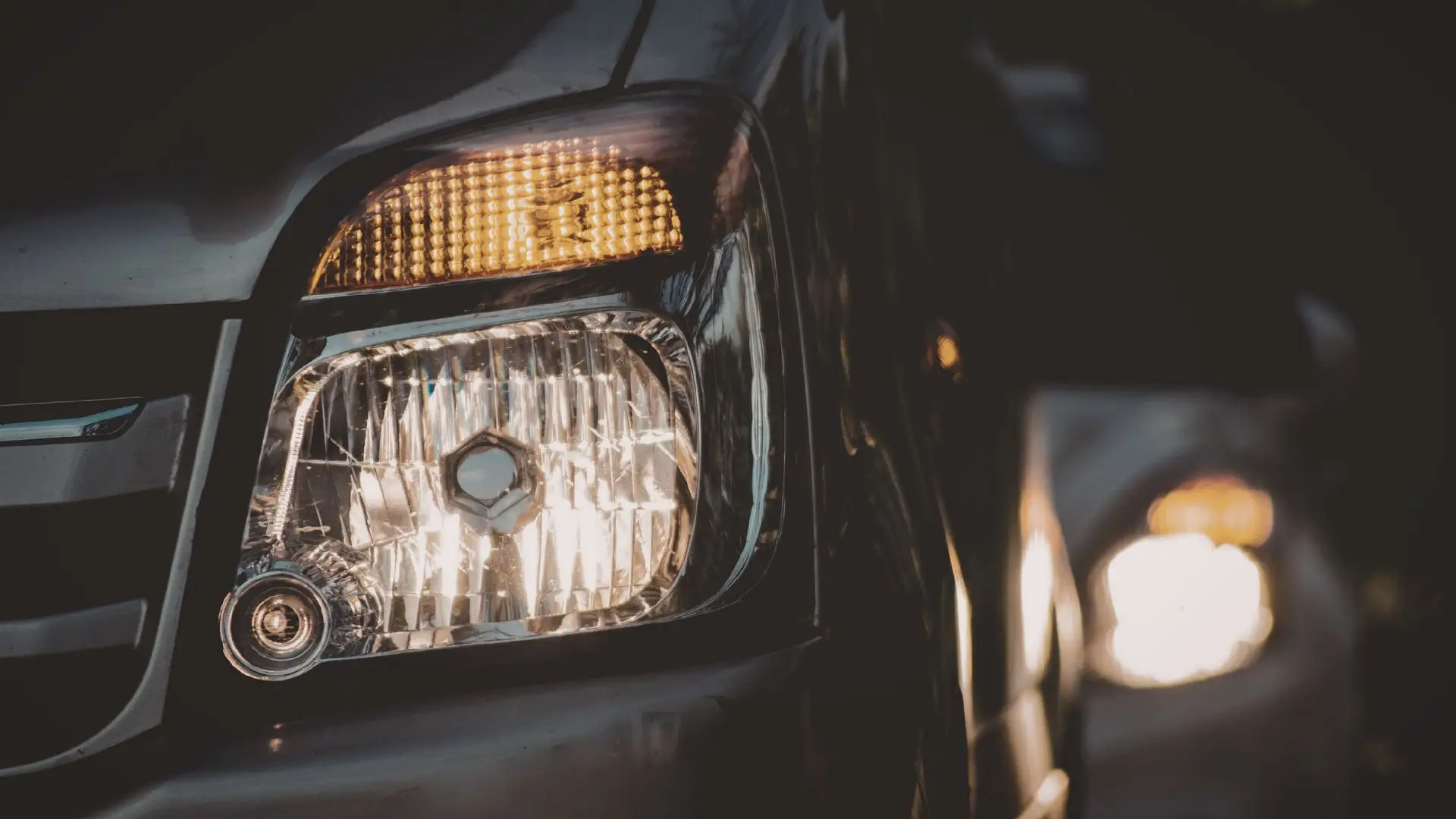


Flashing your headlights is something many drivers do without thinking twice. You might flick your high beams to warn another driver about debris in the road, signal that their headlights are off, or alert them to an upcoming hazard. But is it actually legal? Depending on the situation, a well-intentioned signal can violate traffic codes or even make you partly liable if it causes a crash.
Are You Permitted to Flash Your Headlights?
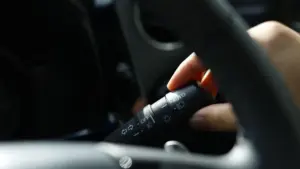
In most states, briefly flashing your headlights is not automatically illegal, because drivers commonly use headlights to signal another driver that either their headlights are off, there’s an accident/hazard up ahead, and even that it’s safe to merge. Many state vehicle codes allow drivers to momentarily flash their high beams as long as it does not blind or distract other motorists. However, if drivers are recklessly or maliciously flashing their headlights, then their actions can be considered as unlawful and can be held liable for their actions.
Why Would Flashing Headlights Be Illegal?
Flashing headlights may become illegal when it violates specific traffic safety laws. Most laws that address improper use of headlights typically focus on:
- Improper use of high beams within a certain distance of another vehicle
- Using high beams in a way that creates glare
- Using lighting equipment in a way not authorized by statute
For example, most states prohibit driving with high beams activated when approaching an oncoming vehicle within a specified distance (often 500 feet) or when following another vehicle too closely.
Can You Flash Your Headlights to Warn of Police?

Several courts across the United States have ruled that flashing headlights to warn other drivers of police speed enforcement may be protected under the First Amendment as a form of free speech.
However, this does not mean you cannot be stopped. In rare cases, flashing headlights to interfere with police activity could be interpreted as obstruction. Depending on the nature of the situation, officers may still issue citations under local traffic laws, and you may need to challenge the ticket in court.
Can You Be Liable If Flashing Causes an Accident?
Even if flashing your headlights is not illegal, you could still face civil liability if your actions contribute to a crash. For example:
- You flash your headlights to signal another driver to proceed through an intersection.
- That driver relies on your signal.
- A collision occurs because it was not actually safe to proceed.
In these situations, a court may analyze whether your signal created a duty of care and whether the other driver reasonably relied on your indication. As such, liability in these cases often depends on whether your signal was clear or ambiguous, if it encouraged unsafe action, or if the other driver independently verified that it was safe.
Drivers should understand that hand signals and light flashes can be interpreted as directing traffic which can ultimately carry legal consequences.
Does Liability Differ from State to State?
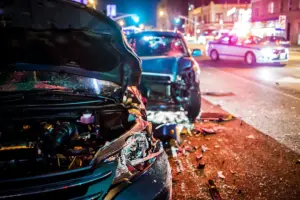
Each state does applies its own negligence standards when determining fault. Differences may include:
- Comparative negligence states– Fault is divided proportionally between parties.
- Contributory negligence states– A driver who is even slightly at fault may be barred from recovery.
- Modified comparative negligence states– Recovery may be barred if a driver is 50% or 51% at fault.
Additionally, some states recognize a broader “duty to act reasonably,” which may make flashing drivers partially liable if their actions contributed to confusion or unsafe behavior. However, because traffic and negligence laws vary significantly, liability analysis is highly state-specific.
Safe-Driving Tips
- Use headlights to warn, not intimidate.
- Dim high beams whenever you see approaching lights.
- Avoid flashing in fog or heavy rain.
- Keep your headlights clean and properly aligned to reduce glare.
The Bottom Line, Use Caution When Flashing Your Headlights
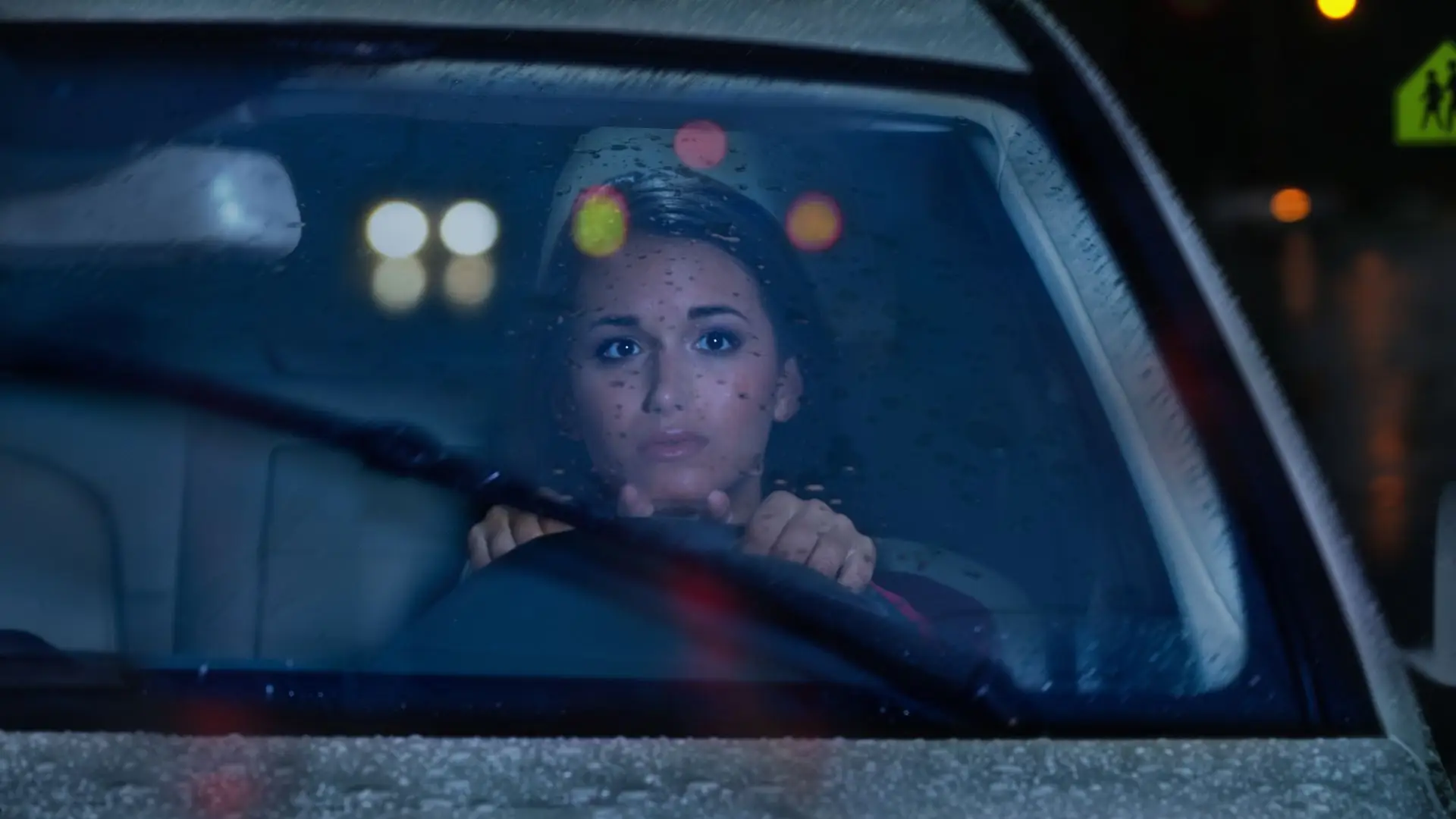
Flashing your headlights isn’t inherently illegal, but how and when you do it matters. A short, polite flash to communicate is usually fine. Prolonged, aggressive, or high-beam flashes that cause glare or confusion can earn you a ticket or worse, contribute to a crash.
If you were involved in an accident where visibility or signaling played a role, West Coast Trial Lawyers can help. Our attorneys analyze lighting evidence, police reports, and state traffic codes to determine fault and fight for the compensation you deserve.
Contact us today at (213) 927-3700 or filling out our convenient online contact form.