
Attending public protests or large events can carry physical and emotional risks. While many participants attend protests to express free speech and community solidarity, injuries can arise, specifically chemical exposure, blunt impacts, or falls. In more serious cases, the consequences can extend beyond temporary harm, and result in even death. Knowing the most common protest injuries is important for documentation and personal safety. Taking precautions and recognizing when to seek medical care can help lessen the risk of lasting harm in crowded public settings.
1. Eye Injuries

Eye injuries are one of the most severe and commonly documented protest-related injuries, particularly when law enforcement agencies deploy rubber or plastic bullets, tear gas canisters, or other projectiles in crowd control settings. A study surrounding U.S. protests following George Floyd’s death reported at least 115 head and eye injuries caused by rubber and plastic bullets, with some cases leading to permanent vision loss.
Contact lenses can worsen harm when chemical irritants, like tear gas or pepper spray, are present. Immediate medical care is important to prevent permanent damage. Protective eyewear is suggested to minimize risk.
2. Head Injuries

Head injuries are one of the most serious categories of protest-related harm since it can affect the skull, face, or neck, and may escalate from concussions to life-threatening harm. Clinical reviews analyzing protest injuries have indicated that available data likely captures a fraction of the actual number of people injured since many of them either seek treatment at different facilities or do not pursue medical attention at all.
During a weekend of demonstrations in Los Angeles County, researchers noted that their sample reflected only a small portion of injuries that were actually sustained. Social-media-pooled reporting from that same time period identified at least 12 kinetic impact projectiles inflicted head injuries in Los Angeles alone, whereas nationwide figures demonstrated at least 115 people who were shot in the head or neck from May 26th and July 27th, shortly after George Floyd’s death in 2020.
3. Fractures

Fractures are a significant category of protest-related injuries, especially when kinetic impact projectiles, such as rubber bullets, foam rounds, and tear gas canisters are used by law enforcement agents in crowd control settings. According to the Human Rights Watch, from the 2025 Los Angeles protests, officers fired several “less lethal weapons” at individuals, and among the noted injuries were broken bones, including fractures done to the limbs and facial structures caused by projectile impact.
In one of the cases, a protester was hit in the face and arm, which caused them to suffer a facial fracture in addition to serious bruising and eye damage. Another person endured a broken leg after being struck by a projectile. Independent investigations of other protests globally have noted similar forms of pain linked to both blunt impact projectiles and heavier munitions used against crowds.
4. Bruises and Contusions

Bruises and contusions frequently occur in protests that are exposed to crowd control tactics. These injuries may be caused by kinetic impact projectiles, like rubber or plastic bullets, or by physical contact with police officers during confrontations.
Medical records and studies of protest-related injuries show that while many contusions seem minor, they often accompany more severe injuries, including fractures, head trauma, or internal pain. They can impact multiple areas of the body and usually require medical assessment to identify hidden damage and reduce the risk of long-term complications.
5. Sprains and Strains

Sprains and strains can occur when protesters are injured while fleeing tear gas or being pushed in crowd control situations. Twisted ankles, wrist strains, and back pain often result from sudden movements or impacts. Though less common than fractures or head trauma, these injuries may still require rest and immobilization.
6. Cuts and Lacerations
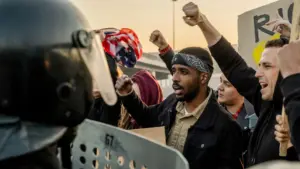
During protests, cuts and lacerations can happen when less lethal weapons are used or when protesters come into forceful contact with officers. According to documented protests in Los Angeles, the Human Rights Watch discovered that several individuals sustained lacerations and large open wounds after being struck by projectiles.
Some were severe, requiring medical care, and sometimes even surgery or extended treatment. HRW noted that blunt projectiles often resulted in gaping cuts and significant limb injuries.
7. Chemical Irritation
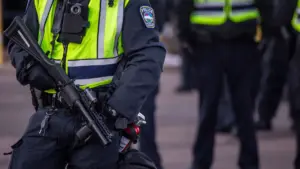
Law enforcement agencies deploy chemical irritants, like tear gas and pepper spray, to control crowds during protests and demonstrations. Chemical irritants at protests are sometimes portrayed as causing minor discomfort, but studies show they can harm multiple bodily systems.
In a review of more than 9,000 cases, most injuries were mild, yet nearly 9% were severe, affecting the skin, eyes, and respiratory system.
8. Burn Injuries
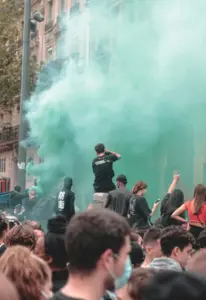
Protest-related burn injuries are mostly caused by chemical irritants, tear gas canisters, flash-bangs, or accidental fires during clashes. Human Rights Watch and Amnesty International have reported cases of thermal burns from hot projectiles that were either caused by police officers trying to subdue the situation or other protestors taking rash actions.
While burn injuries are less common than bruises or contusions during a protest, such bodily harm can range from mild irritation to serious tissue damage. The use of crowd control in tight spaces can heighten the risk of burns, emphasizing the need for protesters to protect exposed skin and avoid direct contact with incendiary devices. Should someone suffer a burn injury during a protest, it is urged to cool the injury, apply first aid, and seek medical attention immediately, because severe burns can cause infections which can be fatal.
9. Hearing Damage

Hearing damage can happen during protests when law enforcement officers deploy acoustic weapons, like sound/sonic cannons or flash-bang/stun grenades as part of crowd control. These devices can pose a risk of auditory injury. Protesters should take steps to protect their ears whenever they are involved in demonstrations where such loud crowd control weapons are being used.
10. Respiratory Issues

Respiratory issues are a known risk for protesters who are exposed to tear gas, pepper spray, or other chemical irritants used in crowd control settings. These chemical agents can irritate the airways, nose, throat, and lungs. This type of interaction can trigger coughing, shortness of breath, chest tightness, and asthma-like conditions. Evidence from the 2020 Portland protests found that almost all respondents reported physical symptoms, in which many included respiratory difficulties that lasted for days after exposure.
The study further showed that repeated exposure increased the likelihood and severity of these health issues. While most effects are temporary, some people who have pre-existing respiratory conditions, children, or those repeatedly exposed may deal with more serious problems. In such a case, medical care is encouraged.
11. Psychological Trauma

Psychological trauma, such as anxiety and post-traumatic stress disorder (PTSD), can be caused by excessive force or violent encounters with law enforcement officers. The Human Rights Watch reported several cases in Los Angeles where protesters endured long-term emotional distress after dealing with aggressive crowd control measures. These injuries can be serious and persist even when physical wounds have been healed, ultimately demonstrating the mental health consequences that can arise when participating in protest involvement.
Furthermore, a cross-sectional, web-based survey (conducted in Portland, Oregon during the 2020 racial injustice protests) evaluated 2,257 adults that were met with recent exposure to tear gas and learned that a majority experienced physical or psychological health issues following contact.
Roughly 94% reported physical symptoms whereas more than 72% suffered psychological effects, with many individuals noting that problems appeared immediately after the exposure, and how it persisted for days. Notable conditions pertaining to mental health specifically included anxiety or distress.
The study further reported that more than 55% of participants received or planned to get medical or mental health care. Researchers concluded that repeated use of chemical irritants by police officers may lead to unexpected and prolonged harm, specifically to those who have pre-existing respiratory or psychological conditions.
Protect Your Rights After Protest-Related Injuries
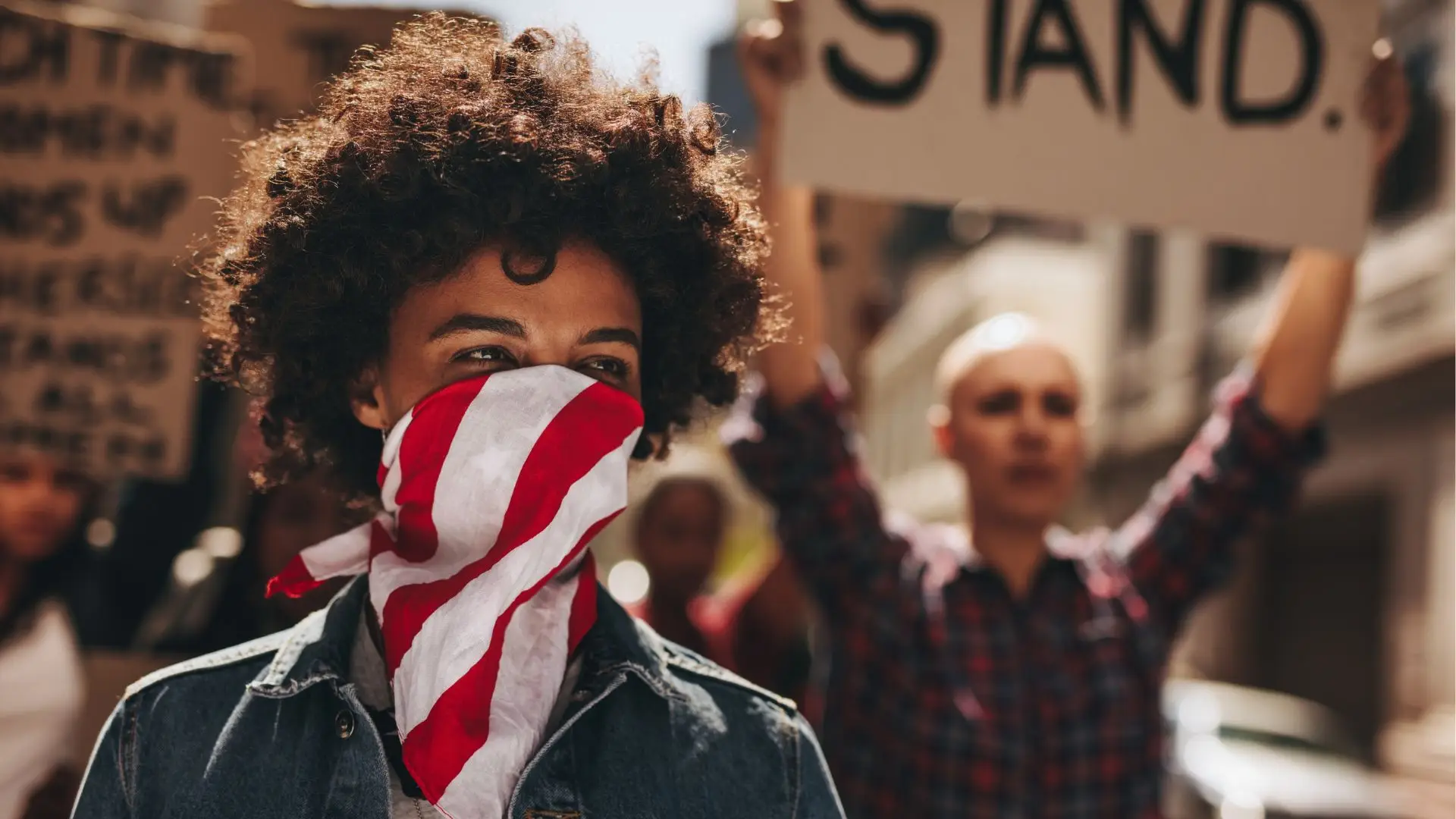
If you or a loved one have been injured during a protest, whether it was caused by kinetic impact projectiles, chemical irritants, or other hazards, it is important to understand your legal options. Although law enforcement officers have a duty to use crowd control weapons responsibly, injuries caused by excessive force may entitle you to compensation for losses you incurred.
At West Coast Trial Lawyers, we will provide guidance and support every step of the way. Our team works to help victims access medical care, document their losses, and gather evidence to build a strong claim. We will advocate on your behalf, ensuring your situation is taken seriously and your voice is heard.
To set up a FREE consultation, you can get in touch with us by calling (213) 927-3700 or completing our easy online contact form.