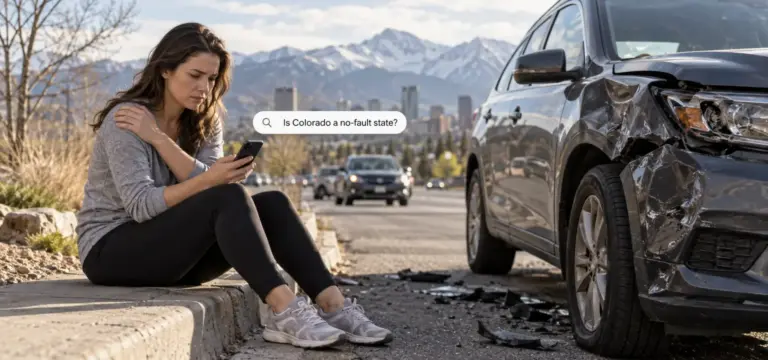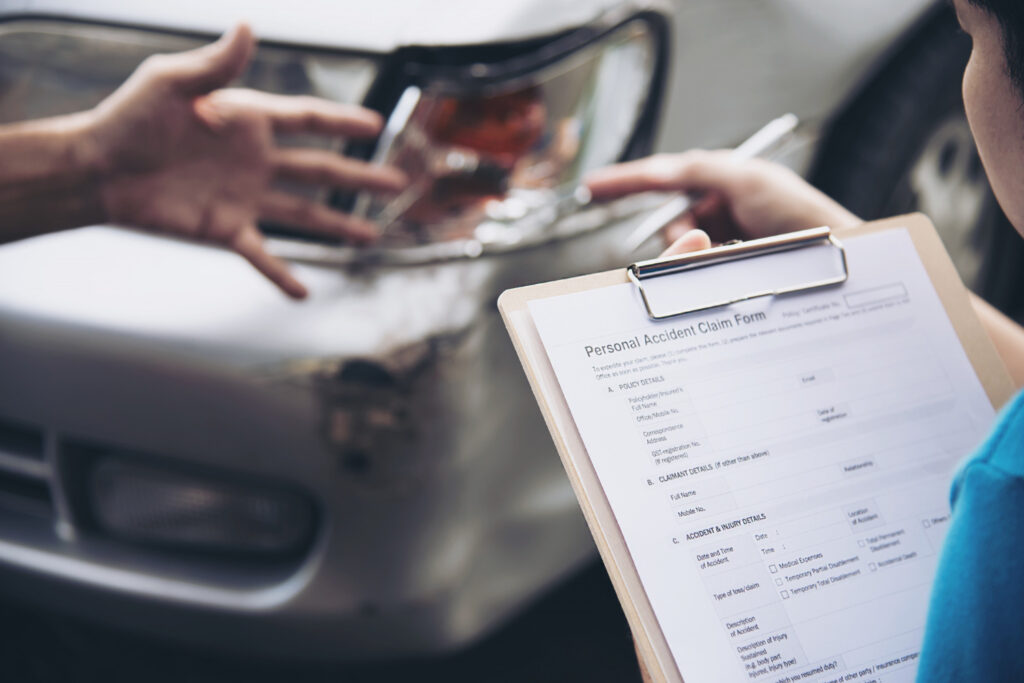
When it comes to car accident claims, evidence plays an important role in proving what happened during the accident and what injuries, property damage, and financial losses that follow. As there are a number of factors that can influence a car accident claim, understanding what evidence may be beneficial can help you acquire important information and better document your claim early on.
What Evidence Helps Show How the Car Accident Happened?
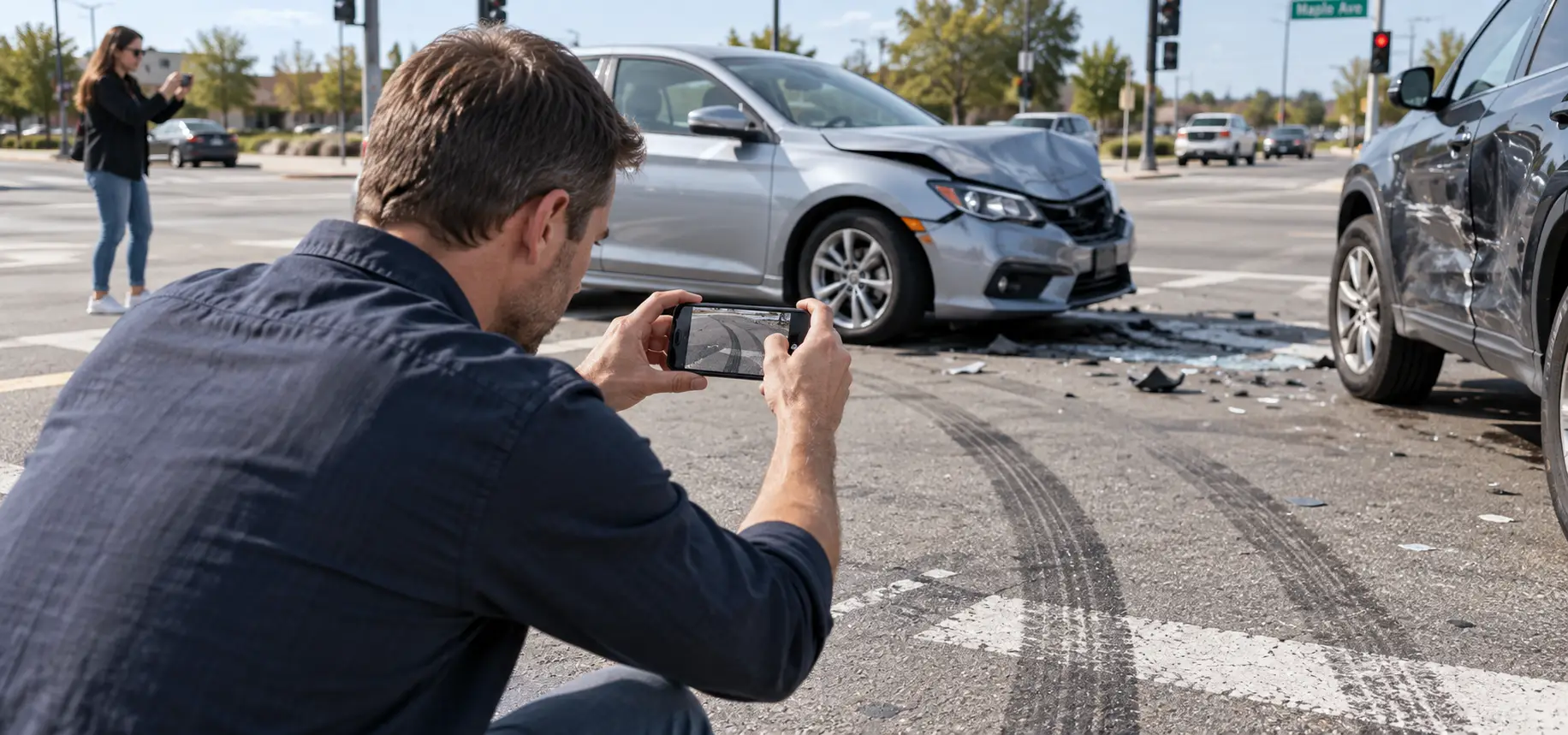
Evidence from the accident scene can help establish what happened during a motor vehicle crash. While there are a number of things that may seem important to a car accident claim, the following forms of evidence are the most important types that can help show how the car accident in question happened.
- Scene photographs and video: Any photographs and videos of the accident scene such as the different angles of damaged vehicles, debris, traffic signals, road conditions, and make and models of the vehicles can show how the car accident has happened.
- Witness information: People who observed the accident may be able to describe what happened immediately before, during, and after the crash. While witness statements can sometimes be inconsistent, it can provide critical details that may not be apparent from photographs or other records.
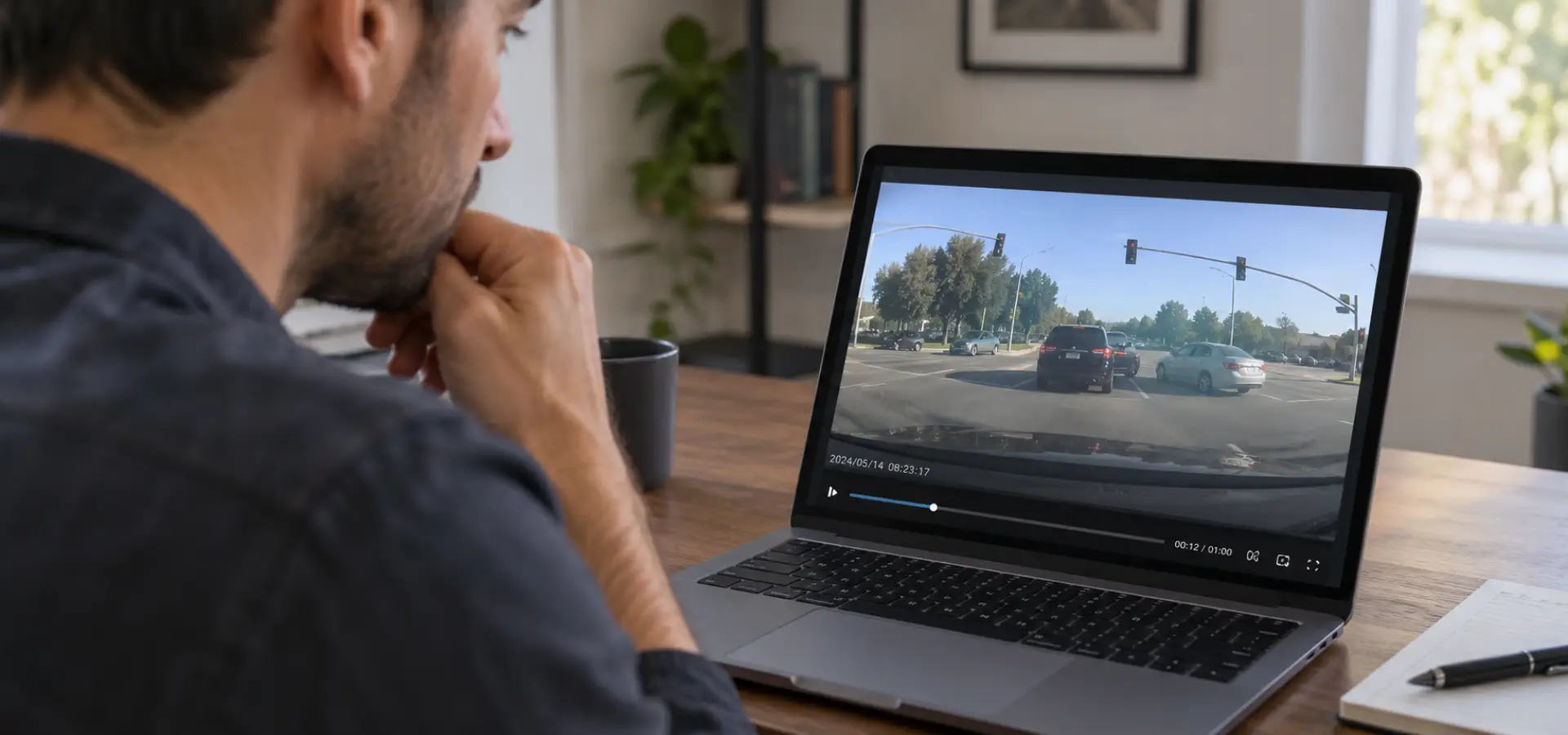
- Dashcam and surveillance footage: Video from a dashcam, nearby business, residence, or traffic camera may capture vehicle movements, road signals, and other events leading up to the auto accident.
- Roadway, signal, weather, and debris: Skid marks, damaged signs or signals, weather conditions, lane markings, and debris can provide more information about the circumstances surrounding the crash.
Combining these all together can help document the circumstances of the accident, identify the drivers involved, and provide specifics about how the incident unfolded.
What Evidence Can Help Identify Who Was at Fault?
Documentation showing what each person did before and during a crash can help determine responsibility. Physical evidence, official records, and electronic data may provide the following information about the actions of those involved in the accident.
Vehicle Damage and Impact Patterns
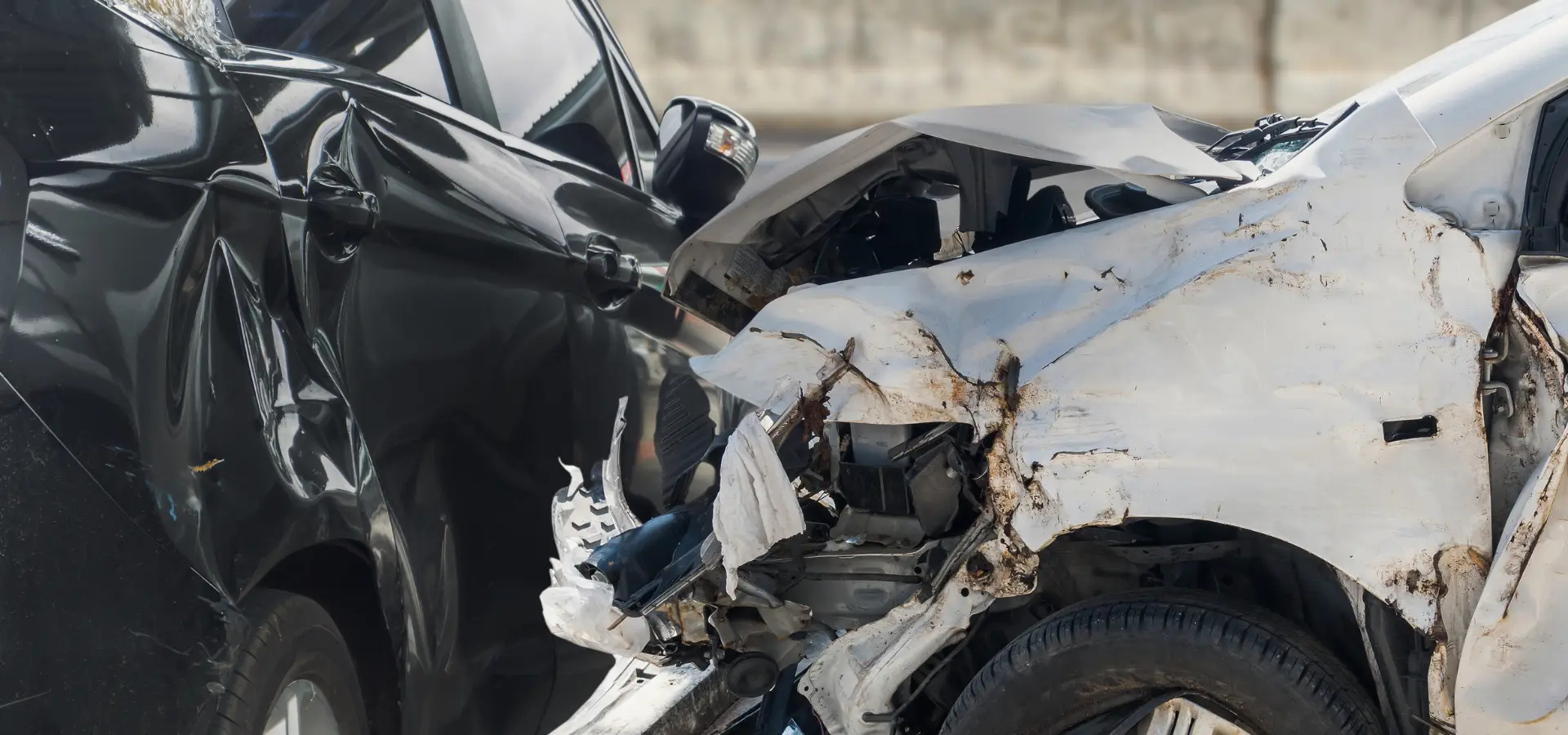
Vehicle damage can provide specifications about the direction and force of impact. The location, intensity, and pattern may help explain how the vehicles collided and which actions may have contributed to the crash. Furthermore, photographs, repair estimates, and inspection records can document the condition of the vehicles after the incident.
Police Reports and Citations
Police reports are important for insurance claims processing and may document critical details about the collision such as the time, date, and location of the crash in addition to the information gathered at the scene. Under California Vehicle Code § 20008, a driver involved in a collision that involves injury or death must make a written report within 24 hours to the California Highway Patrol (CHP) or, if the accident took place within a city, to the CHP or the police department of that city.
Timely documentation of accident details can improve the reliability of insurance claims and help identify who was at-fault in the accident.
Event Data, Phone Records, or App Data When Relevant
Electronic records may give critical information about vehicle speed, braking, steering, location, or phone activity around the time of the impact. These records can also help determine the actions contributed by other parties who were involved. The access and usefulness of these details will depend on the vehicle, device, application, and the factors surrounding the incident.
What Evidence Connects an Injury to the Accident?

Evidence connecting an injury to a crash can help show when symptoms first stated, what condition was initially diagnosed, and how the accident may have contributed to the harm you suffered. Medical documentation can provide specifics about the injuries sustained, while symptom timing, and prior medical history may become helpful to learn about when causation is being disputed.
Medical Records
Medical records can document your complaints, examination findings, diagnoses, treatment, and recommendations after the car accident. They may also establish the date of an examination and the location where treatment was provided. Records can show important documentation of how you described your symptoms and the treatment you were given.
Symptom Timing and Diagnosis
The timing of symptoms can help determine whether an injury appeared shortly after the accident or developed later. Keeping track of when symptoms first started, how they developed, and how they affected daily activities can provide useful documentation. Medical records, treatment notes, and the car accident report may consist of critical information that helps connect the timing of symptoms to the incident.
Prior Medical History
Prior medical history may become relevant when there is a question about whether an accident caused a new injury or affected a pre-existing condition. Earlier medical records can provide context for distinguishing a condition that existed prior to the car accident from symptoms that developed afterward. When reviewing this history, other information may include previous diagnoses, treatments, imaging, and documented symptoms.
What Evidence Proves Financial Losses?

Documentation that establish economic damages from the car accident can help prove financial losses in a car accident claim. However, it is urged to keep records organized so injury victims can help show the amount of each loss and provide support for an insurance claim. For instance, the following types of damages can help prove financial losses:
- Medical bills: Medical bills, invoices, statements, and payment records can document the cost of treatment associated with the car accident. These records can help show expenses presented to an insurance company.
- Wage records and employer documentation: Pay stubs, tax records, time sheets, and employer statements can document income lost because an injury prevented you from working. These can demonstrate the earnings you were unable to pay or receive during the affected period.
- Repair estimates and property-loss records: Repair estimates, invoices, photographs, and inspection records can document damage to a vehicle or other property. Such information can show whether an insurance provider has either acknowledged or disputed coverage for the property loss caused by the car accident.
- Out-of-pocket expenses: Receipts and payment records can demonstrate the expenses you personally paid because of the motor vehicle crash.
How Do You Document Pain and Suffering?
Non-economic damages, such as pain and suffering, are different because they do not have a specific bill or receipt attached to them, because it is more aimed towards intangible losses incurred. Because these losses are not associated with specific financial losses, documenting how the injury impacted your daily life can help provide evidence of its overall consequences.
You should describe how your temporary or permanent impairment has affected your life, such as difficulty working, exercising, driving, sleeping, doing household tasks, or participating in activities you previously were able to prior to the crash. Medical records can also give context by documenting your symptoms, treatment, and progress.
If symptoms change or new problems develop, notify your medical provider so they can be noted right away. Information from the accident scene may also provide context for understanding the circumstances surrounding the injury. Maintaining records can help present a bigger picture of the physical and emotional effects you experienced.
How Quickly Can Car Accident Evidence Disappear?
Evidence from a car accident can quickly disappear as time passes. Surveillance systems may automatically delete older recordings, damaged vehicles may be fixed or disposed of, and witnesses may have a more difficult time trying to remember details that happened a long time ago or they could be harder to reach if months or years have passed since the incident.
Commercial and rideshare companies may also retain trip, location, or vehicle data only for a limited period. All in all, the sooner you collect evidence, the less likely it is to be lost through the passage of time.
Should You Alter or Delete Evidence for Your Car Accident Claim?
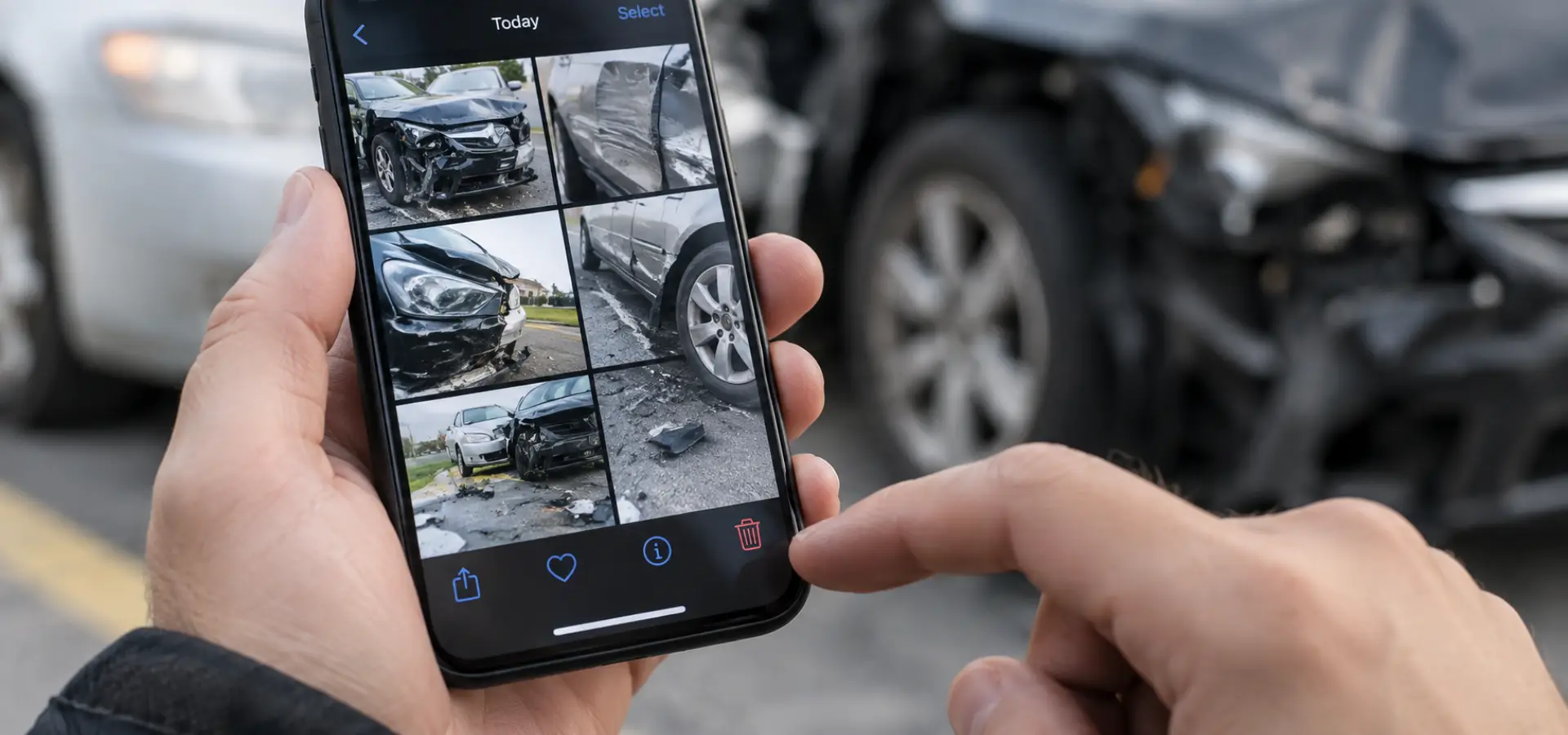
After a car accident, getting evidence in its original form is important to acquire. Avoid editing, deleting, or replacing files just because they seem unimportant, and make sure to keep documents and communications that could be of use to explain what happened or the losses involved. Taking these steps can help maintain a complete record of the situation. Here’s a quick rundown to further specify:
- Original files: Keep the original photos, videos, dashcam recordings, text messages, and emails at-hand. Avoid cropping, renaming, or enhancing files.
- Social media: Consider limiting your social media activity after a car accident. Avoid deleting or altering posts, photos, comments, or messages that were already on your account before the crash, even if they seem unrelated. Existing content may show critical information about your activities or circumstances before the accident, which is why it is usually best to have it kept in its original form.
- Vehicles: Try not to have your damaged vehicle repaired, altered, or disposed of before evidence has been noted or inspected when appropriate. If repairs are needed for safety-related reasons, acquire photographs, repair records, and other documentation showing the vehicle’s condition before the incident.
- Documents and communications: Keep medical records, bills, receipts, repair estimates, and other relevant paperwork. Have electronic communication saved and be sure to retain physical documents you receive by mail, including records that show the sender, recipient, and address.
What If Important Evidence Is Missing?
Missing evidence does not necessarily mean a claim cannot move forward. Other records, photographs, witness accounts, medical documentation, and physical evidence can still help establish what happened and support the losses involved. It is important to figure out what is missing and determine whether it can still be recovered or even replaced.
If a crash report online is unavailable, you may be able to search the appropriate law enforcement agency’s records or request a certified copy. Depending on the agency, you may be able to obtain the report in PDF format or receive additional pages if part of the document is missing. Keeping copies of everything you receive can help you keep a record of evidence. Even if a specific document cannot be recovered, the claims process may still rely on other available evidence to fill gaps left by missing information..
Need Help After a Car Accident? West Coast Trial Lawyers Is Here for You
Knowing what evidence to acquire, how to document your losses, and what details may support your claim can help you make informed decisions after a car accident. California car accident claims can involve questions about liability, medical treatment, property damage, insurance, and the evidence needed to strengthen your case. Having experienced legal guidance can help you understand how these factors may apply to your situation and what steps may help protect your interests throughout the claims process.
If you were involved in a car accident and are not sure what evidence you need or how to effectively move forward, West Coast Trial Lawyers is here to help. With a combined 25 years of legal practice and more than $2 billion recovered for clients, our California car accident attorneys can help you understand your rights, evaluate the evidence presented, and guide you through your personal injury case from start to finish.
To set up a FREE consultation, you can connect with us by calling (213) 927-3700 or filling out our easy online contact form.