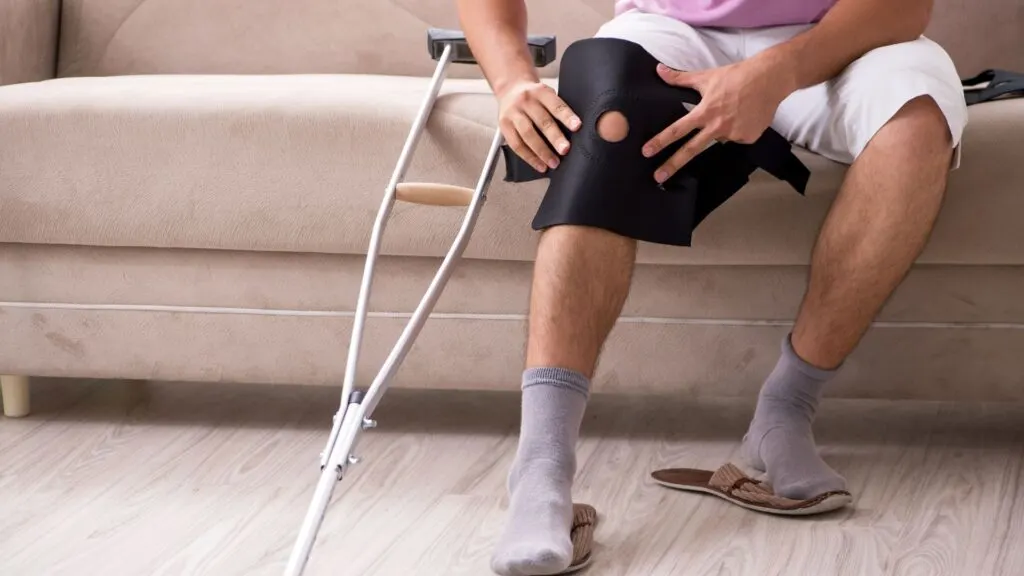
Whether you need immediate medical care for severe injuries or to set up a follow up appointment with your doctor, getting appropriate medical treatment after a car accident should always be the first priority, especially if you plan to pursue legal action against the person responsible for causing the crash.
If you decide to pursue a personal injury claim, medical records can become an important part of your case and if you are not careful with how you document your medical treatment and how it relates to the accident, it can affect your financial future.
When Should You Seek Emergency Care After a Car Accident?
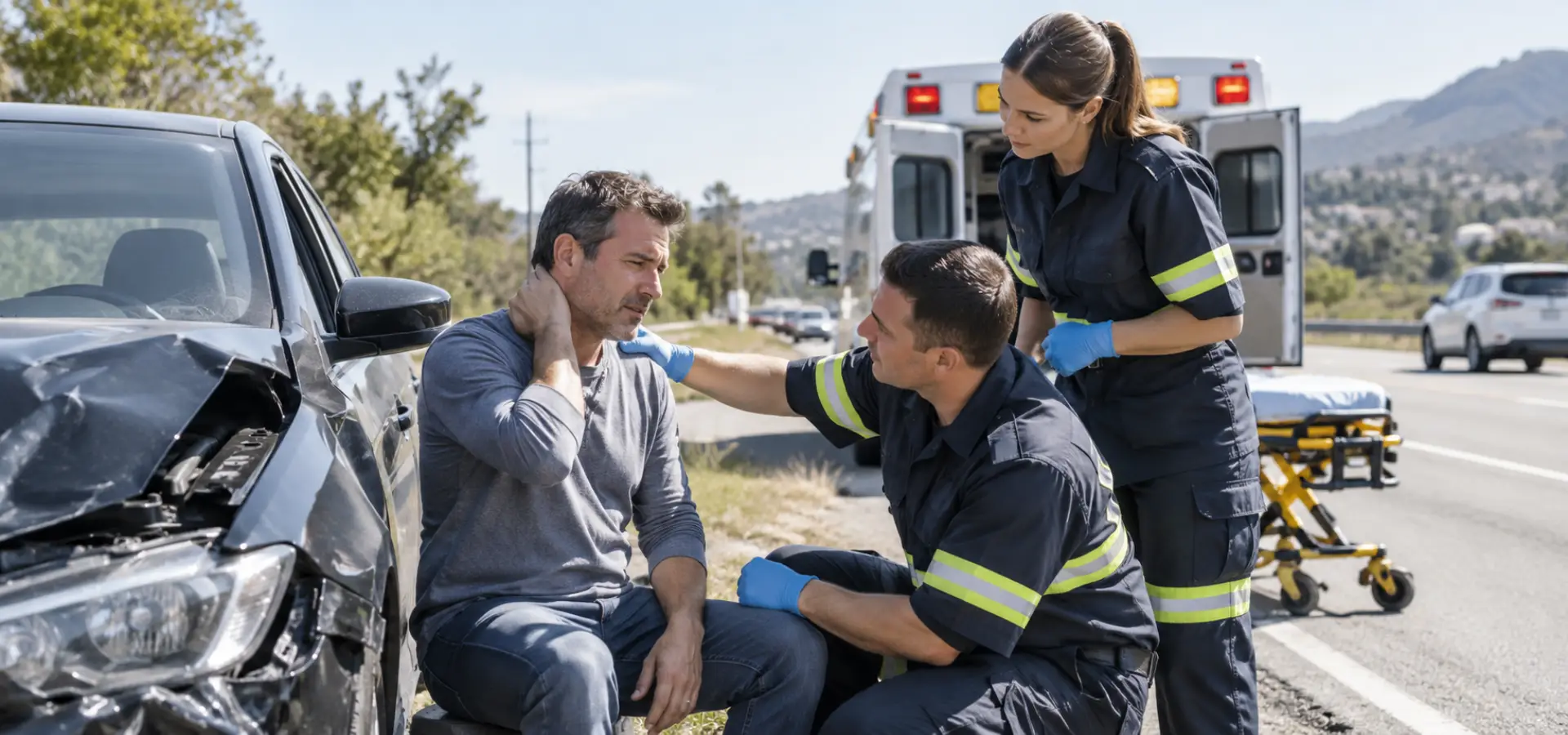
After a car accident, you should seek immediate medical attention if you experience serious injuries, severe pain, or symptoms that are progressively worsening. Certain symptoms like difficulty breathing, loss of consciousness, or signs of internal injuries may require evaluation in an emergency room, especially when they suggest a potentially life threatening condition.
The first 72 hours after an accident are critical for documentation, because depending on the circumstances, treatment may include wound care such as stitches or temporary immobilization like casts and braces.
However, bodily harm can vary for each individual, and some serious conditions may not be immediately apparent. If you are experiencing concerning or worsening symptoms, a medical professional can run an evaluation and determine what care may be appropriate for you to follow through with.
Keep in mind that this article cannot diagnose your condition or determine whether a particular symptom is related to a collision.
What If You Feel Fine Immediately After the Crash?
Feeling fine right after a car crash does not necessarily mean you are left unscathed. Some hidden injuries, such as soft tissue injuries, may have a delayed onset, with symptoms developing hours or even days after the accident. For this reason, delaying treatment could make it harder to address symptoms as they develop. Try to pay attention to any new or ongoing pain, stiffness, dizziness, headaches, or other changes in how you feel.
If you experience any symptoms such as ongoing pain, stiffness, dizziness, and headaches, seek medical attention so a professional can assess your condition and determine what care may be appropriate for you.
How Important is Mental Health After a Car Crash?
While prompt treatment may help address injuries before they lead to long-term complications, but the impact of a collision goes beyond physical health. In fact, one in three car accident victims develop moderate to severe mental health issues, signifying the importance of mental health care in sudden accidents.
As car accidents significantly increase the risk of post-traumatic stress disorder (PTSD) and driver anxiety, early psychological support can help manage accident-related trauma and promote both mental and physical recovery.
What Medical Records Can Document a Car Accident?
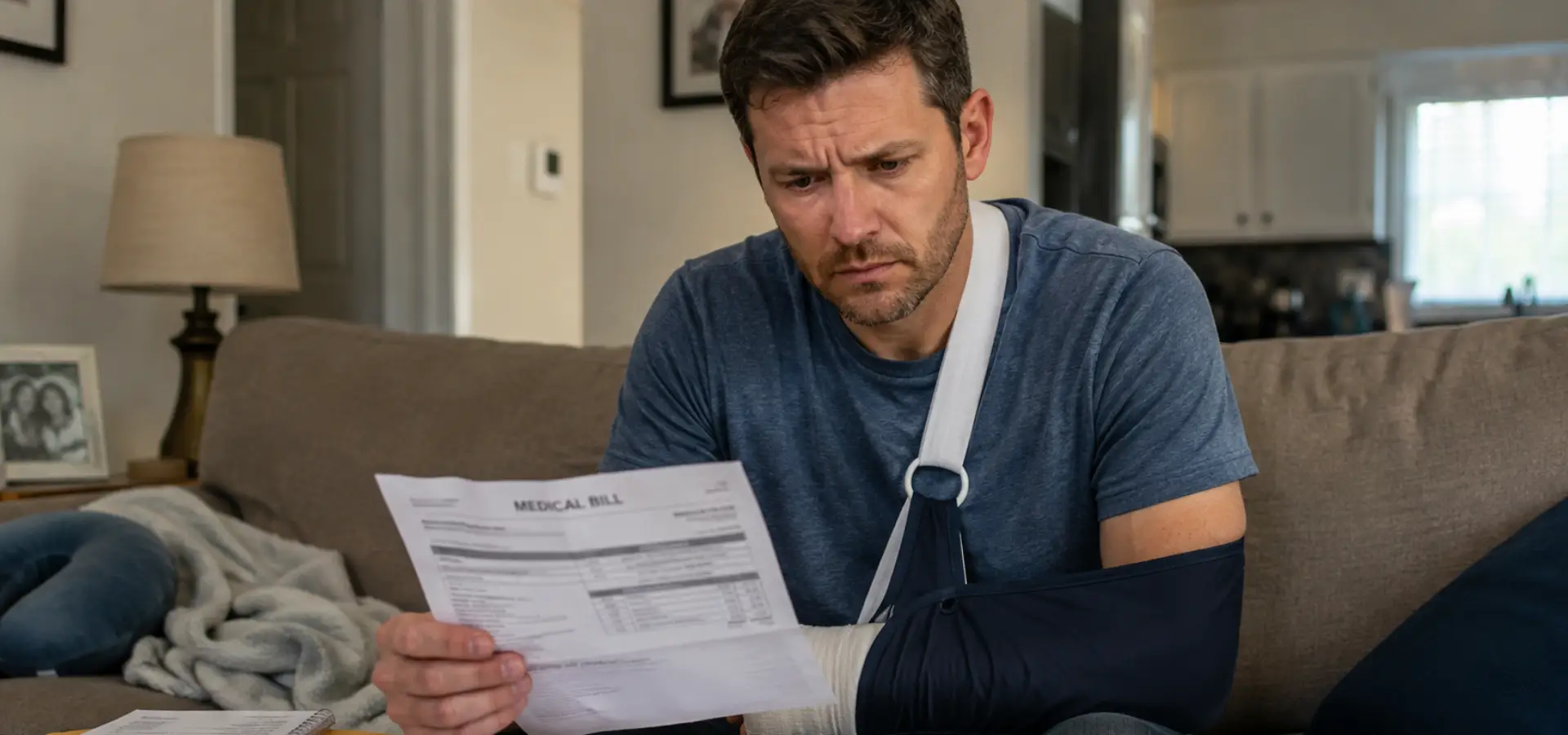
Medical records can provide important information showing when symptoms initially started, how they progressed over time, and how they affected you after an accident. Notes written by medical providers may document the timing and nature of your symptoms while an initial evaluation and subsequent doctor visits can demonstrate what was reported and observed during your care.
Such details may also involve what your diagnosis is, recommended treatment for recovery, and diagnostic tests used to evaluate your injury. Medical records may further document functional limitations, changes in your ability to fulfill daily activities, and recommendations for follow-up care. Keeping proper documentation of these visits can help provide a record of your condition and treatment over time.
Do Treatment Gaps Automatically Ruin a Car Accident Claim?
A gap in treatment does not automatically bar someone from filing a car accident claim, but certain factors can affect the timing of medical care and affect your claim as a result. For instance, adrenaline can mask severe pain after a car accident, thus extending the amount of time it takes for you to realize you suffered bodily harm.
However, major gaps can raise questions about the severity of an injury, whether symptoms continued during the gap, or if additional conditions contributed to the need for care. Overall, the circumstances surrounding the gap can matter. Ongoing treatment and following the recommended care can help create a consistent treatment timeline, because depending on the type of injury incurred, medical care may include physical therapy, massage therapy, or other approaches.
If you need to stop or pause treatment, go over the reason with your medical provider and return for care if you start to notice your symptoms persist or come back. Furthermore, it is recommended to be transparent as possible when discussing a treatment gap with your doctor or others involved in your claim, be completely honest about what happened, because it can provide important context.
How Are Pre-Existing Conditions Handled in a California Injury Claim?

A pre-existing condition does not necessarily prevent personal injury victims from pursuing a legal claim after a car accident. The main issue may be whether the accident aggravated a pre-existing issue or caused a separate injury rather than whether the problem existed before the crash. Under California law and with precedence established Hastie v. Handeland, (1969), when an existing condition is made worse by another party’s wrongful conduct, damages may be available for its progression.
However, a prior condition that is unrelated to the accident may not be linked to the fault party. As such, medical records and other evidence are important in such cases as this can help determine whether the claimed condition is accident related, because establishing this connection can help prove causation between the incident and the aggravation of a pre-existing condition.
The distinction can also matter when considering whether an injury could result in a permanent injury or require future medical care. The nature and extent of those needs may depend on how the condition changed in the aftermath of the accident and what the evidence presented shows.
Who Pays Medical Bills While a Car Accident Claim Is Pending?
Medical bills do not necessarily have to wait until a car accident claim is resolved. Depending on the factors involved, medical expenses may be paid through health insurance, personal injury protection (PIP), or MedPay coverage when available and these options can help cover treatment while the parties work through the claim.
PIP coverage may be available under an auto insurance policy and can provide PIP benefits for certain expenses tied to the car accident. In some cases, medical providers may also agree to a medical lien, meaning payment for treatment is deferred until the claim is resolved. The availability and terms of these options will be based on the applicable policy and circumstances involved.
California Civil Code § 3040 covers certain liens and reimbursement rights involving health care service plans, health insurers, and other payors. However, some accident victims may still have out-of-pocket expenses related to their treatment, which may be considered when calculating economic and non-economic damages. If another insurer or benefit program paid medical costs and the claim later results in a settlement, subrogation or other reimbursement obligations may need to be addressed to resolve the claim.
Can an Insurance Company Question Whether the Crash Caused the Injury?

Insurance adjusters can question whether an injury was caused by the crash, particularly when symptoms appeared later, similar issues existed before the accident, or the available records do not connect the injury to the collision.
Medical records can help show when symptoms first started, what treatment was given, and how the condition progressed over time. The timing of symptoms and whether you were able to seek treatment can become relevant and critical, because in more complicated cases, opinions from qualified medical or other experts may also be considered when assessing whether the car accident caused or aggravated an injury.
If the at-fault driver is responsible for the incident, making a connection between the crash and the claimed injuries can be important when trying to recover compensation. A California car accident attorney can review the available evidence and address disputes over causation when pursuing fair compensation.
What Should You Keep With Your Medical Records?
Records for medical treatment after a car accident should be kept in one place and this can include bills, doctor visits, prescriptions, test results, referrals, and notes about the care you received for your car accident injuries.
By keeping documentation from each medical professional you see, such as notes showing when you received medical treatment, what was suggested for you, and whether you were referred for additional care, it can help show the extent of your care and the expenses you accumulated over time.
It can also be useful to keep insurance correspondence and receipts for out-of-pocket expenses you paid yourself. If you later decide to speak with a personal injury law firm, having these organized can make it easier to explain your treatment history during a consultation.
Have Questions About Your Personal Injury Claim? West Coast Trial Lawyers Is Here to Help

Dealing with car accident cases can leave you with questions about medical treatment, insurance, liability, and whether you may have grounds for a claim. If you are unsure how your injuries may affect your claim or what to do next, speaking with a legal expert can help you better understand your options.
At West Coast Trial Lawyers, our California personal injury lawyers can review the circumstances of your accident, available medical documentation, and other evidence related to your injuries. They can also explain how California law may apply to your situation, discuss the potential remedies that may be available to you, and protect your legal rights.
To book a FREE consultation with us today, we welcome you to get in touch with us by calling (213) 927-3700 or completing our online contact form.