Do You Sue the Uber or Lyft Driver After a Rideshare Accident?
An Uber or Lyft driver may be a defendant when the driver’s own negligent conduct contributed to the accident. This can include:
- Distracted driving
- Speeding
- Running a red light or stop sign
- Failing to yield
- Following another vehicle too closely
- Making an unsafe lane change or turn
- Driving while impaired
- Failing to maintain control of the vehicle
If the driver failed to act with reasonable care and caused a collision resulting in injuries or other damages, the affected individual may pursue a claim against them. The at fault party’s status as an Uber or Lyft driver does not alone remove themselves from facing potential personal liability. Call 911 to report the accident immediately when appropriate, and seek medical treatment for any injuries stemming from the collision.
Can Uber or Lyft Also Be Named in the Lawsuit?
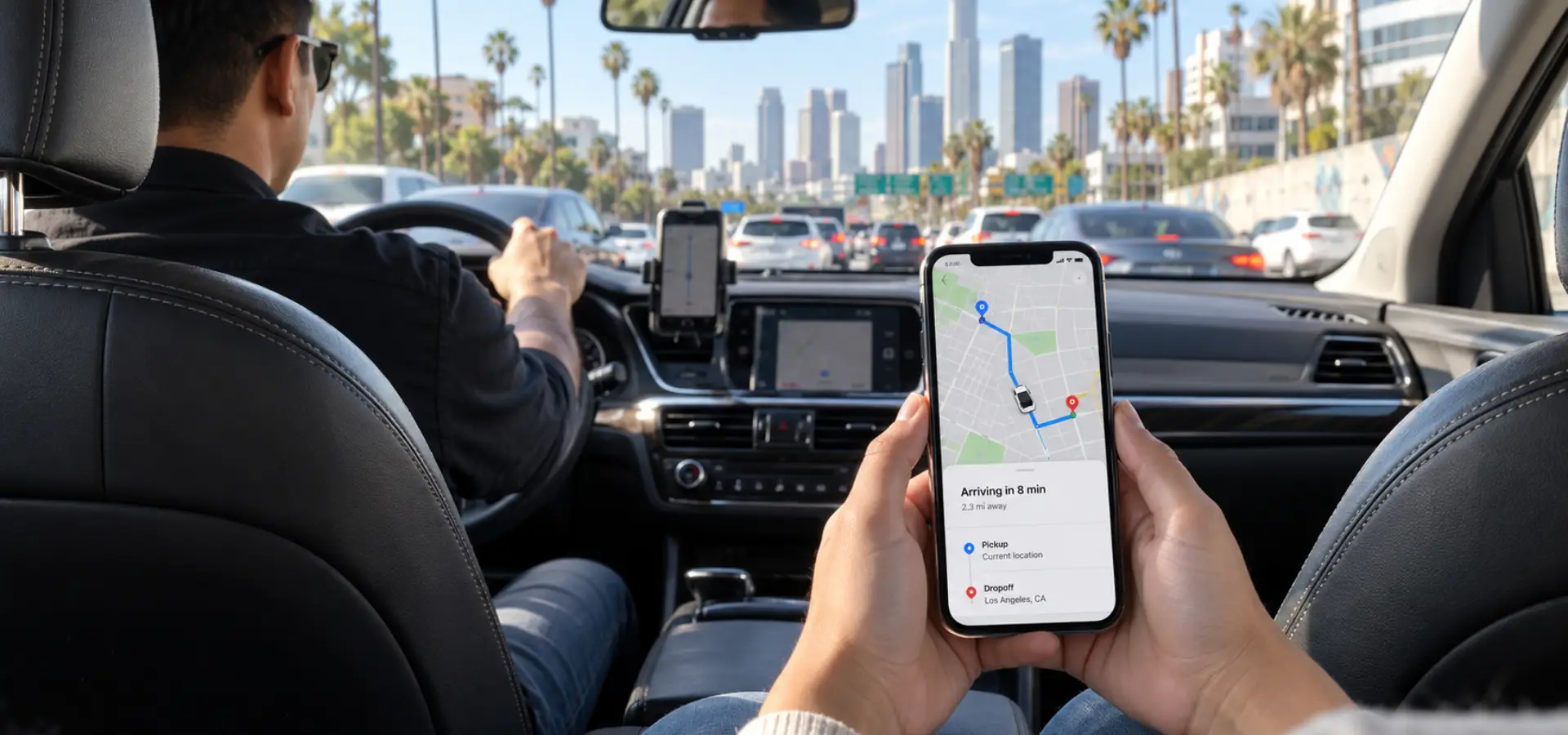
Uber or Lyft may be named as a defendant in a rideshare accident lawsuit if there is a valid legal basis for holding the company responsible. While the rideshare driver may be primarily at fault for causing the collision, the company could face separate claims if its own negligence contributed to the accident or resulting injuries.
When Can You Sue Uber or Lyft Directly?
An injured person may have grounds to sue Uber or Lyft directly if evidence suggests that the company’s actions or failure to take reasonable safety precautions contributed to the accident. Depending on the circumstances, this may include negligent hiring, inadequate driver background checks, or failure to address known safety concerns.
However, naming Uber or Lyft in a lawsuit requires more than proving that one of its drivers caused an accident. The injured party must establish a legally supported basis for holding the company responsible, which may require evidence connecting its conduct to the collision or injuries.
Can Uber or Lyft Be Sued Because Their Insurance Covers the Accident?
Although Uber and Lyft provide liability insurance coverage for certain rideshare accidents, the availability of that coverage does not automatically make either company legally responsible for the collision. An injured person may be eligible to seek compensation through the applicable rideshare insurance policy without directly suing Uber or Lyft.
Whether the company can also be named as a defendant depends on the circumstances of the accident and the legal grounds for establishing liability. A personal injury attorney can review the available evidence, identify potentially responsible parties, and determine who may be responsible for paying damages in an Uber or Lyft accident.
What If Another Driver Caused the Rideshare Accident?
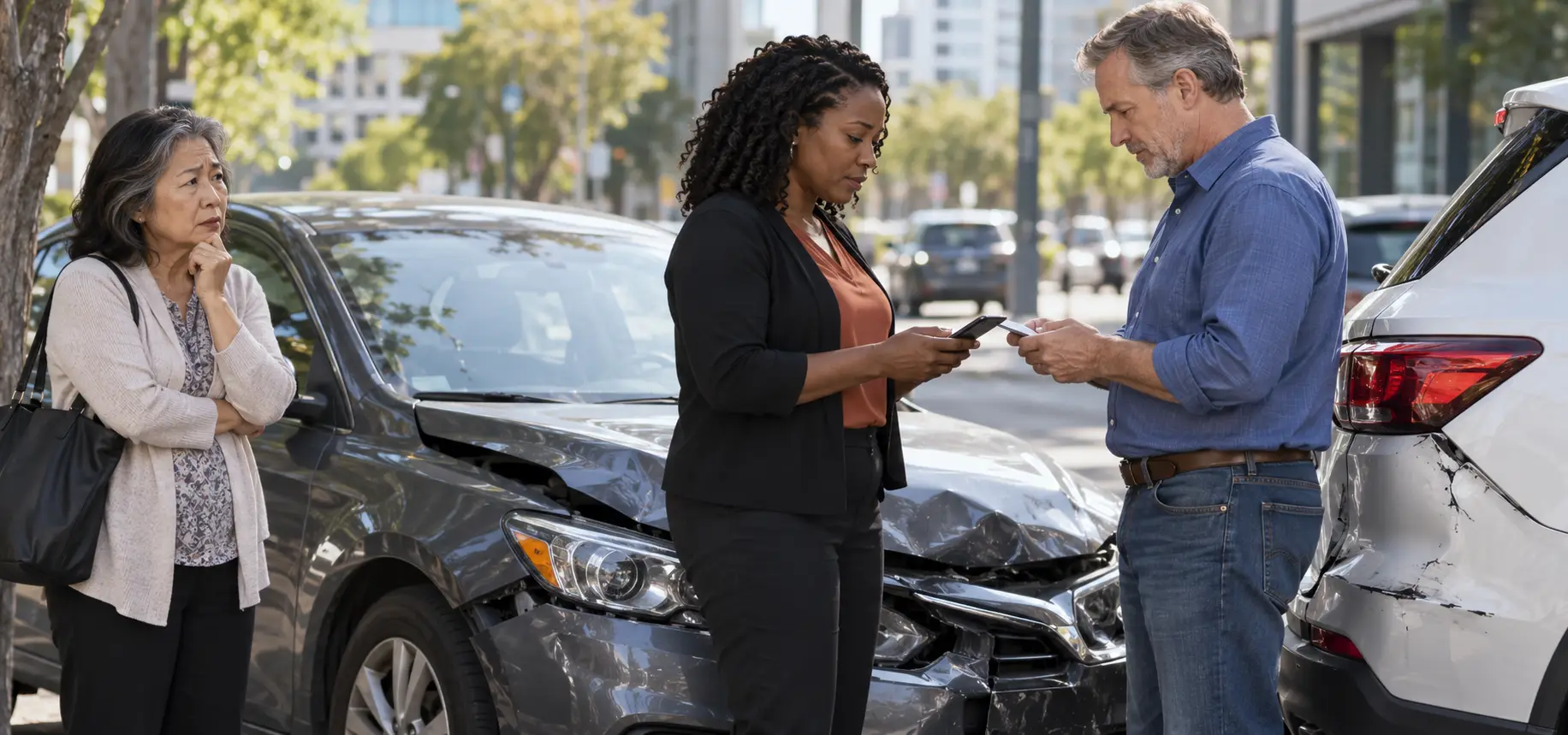
If another motorist caused an Uber or Lyft accident, the injured passenger or rideshare driver may have grounds to pursue compensation from the at-fault driver. Negligent actions, such as speeding, distracted driving, or failing to yield the right-of-way, can establish liability if they contributed to the collision.
In these car accident cases, injured victims may seek compensation for medical expenses, lost wages, pain and suffering, and other damages resulting from the accident. However, determining who is responsible for paying these damages will depend on the circumstances of the collision and the insurance coverage available.
Can an Uber or Lyft Passenger Sue Another Driver?
An Uber or Lyft passenger may file a personal injury lawsuit against another motorist if that driver’s negligence caused the accident and resulting injuries. Since passengers generally have no control over how either vehicle is operated, their claims typically focus on establishing which driver was responsible for the collision.
If the at-fault motorist’s insurance is insufficient to cover the passenger’s damages, additional insurance coverage may be available through the rideshare platform, depending on the circumstances and applicable policy provisions.
Can a Vehicle Owner Be a Separate Defendant?
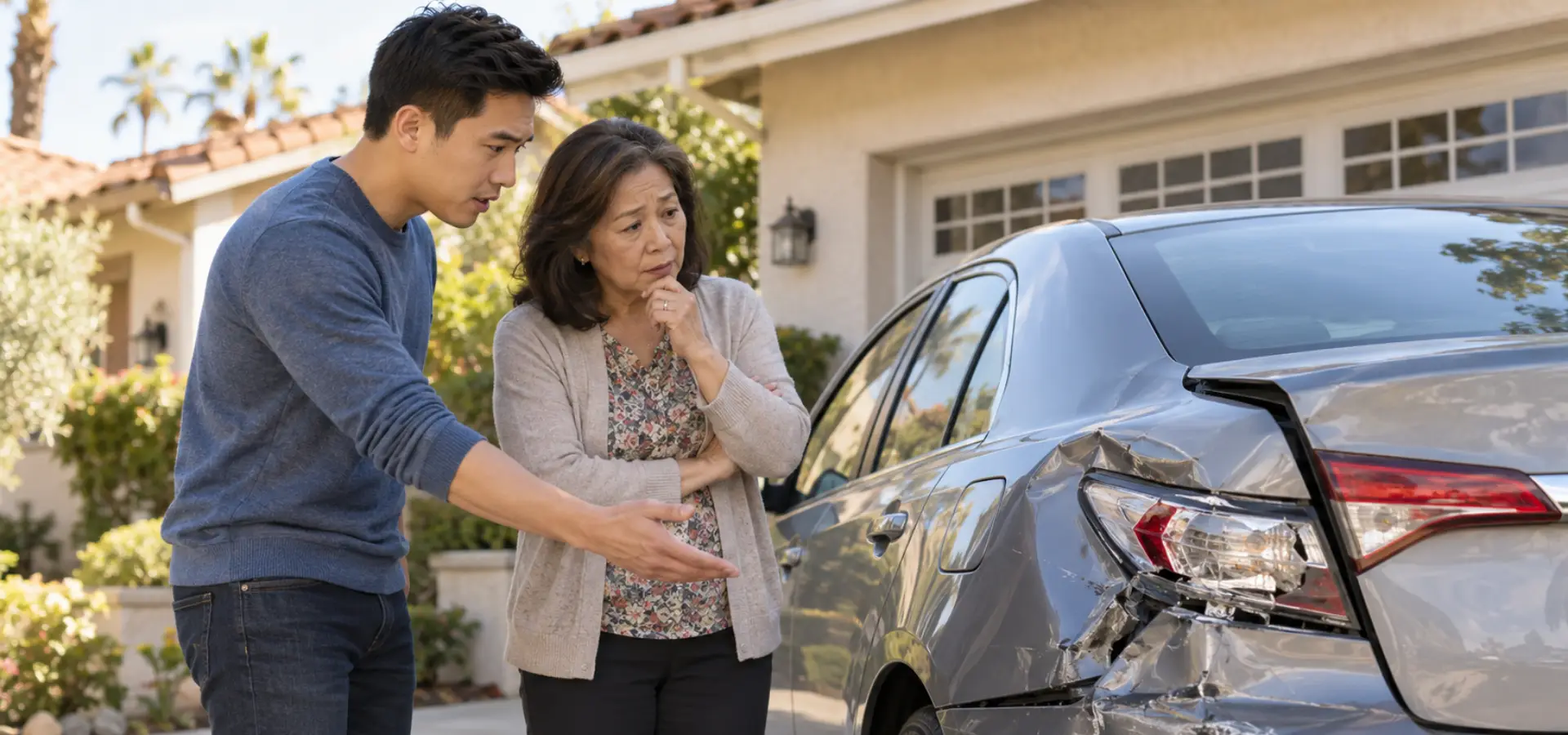
In California, a vehicle owner may be named as a separate defendant in a rideshare accident lawsuit if someone else was driving their vehicle with permission and caused the collision. Under California Vehicle Code § 17150, vehicle owners can be held responsible for injuries or property damage caused by a negligent driver who was authorized to use their vehicle. However, § 17151 places limits on the owner’s liability under this law.
The owner does not need to have personally contributed to the accident to face liability under § 17150. This is different from negligent entrustment, which involves an owner allowing someone to drive despite knowing, or having reason to know, that the person was unfit to operate the vehicle. For Uber or Lyft accidents, determining who owns the rideshare vehicle and whether the driver had permission to use it can help establish whether the owner may also be held responsible for the resulting damages.
What If Several Drivers or Companies Share Responsibility?
In some rideshare accident cases, more than one person may share responsibility for the collision and when that happens fault will be divided among the parties involved in accordance to their percentage of fault under California’s pure comparative negligence rules. As such, an injured person may still be entitled to recover compensation even if they are found partially liable for the Uber or Lyft accident.
However, determining liability can become more difficult because circumstances may need to be reviewed to figure out each side’s portion of fault and how their conduct ultimately led to the injuries. Based on the type of claim presented, damages may include medical expenses, current and future lost wages, and pain and suffering.
How Long Do You Have to Sue Uber or Lyft After a California Rideshare Accident?
In California, injured victims generally have two years from the date of the accident to file a personal injury lawsuit under Code of Civil Procedure § 335.1. Claims involving property damage typically have a three-year deadline under CCP § 338(c).
However, if a government entity is also responsible for the rideshare accident, the injured person generally must file an administrative claim within six months under Government Code § 911.2. If the claim is rejected, Government Code § 945.6 generally allows six months from the written rejection notice to file a lawsuit.
Because certain exceptions may affect these deadlines, injured victims should consider taking legal action as soon as possible. Gathering medical records, accident reports, and other evidence early can help support an Uber or Lyft accident claim and protect their right to pursue compensation.
What Evidence Helps Identify the Correct Defendants?
After a rideshare accident, identifying the correct defendants will require injury victims to gather evidence that demonstrates who was involved, how the collision happened, and what insurance coverage may apply. Important details may include:
- Contact and insurance information for the drivers and vehicles involved
- Witness statements describing how the incident occurred
- Photos and other documentation from the accident scene
- Health-related expenses after seeking medical attention
- Medical records documenting injuries and treatment
- Records showing when and where the rideshare trip occurred
- App or trip information showing the driver’s status at the time of the collision
- Police reports and video footage about how the accident occurred
Acquiring essential evidence can help establish who may be responsible and support a potential rideshare accident claim.
What If You Name the Wrong Party or Miss a Responsible Party?

Naming the wrong defendant or failing to identify a responsible party in an Uber or Lyft accident lawsuit can delay the legal process and potentially affect an injured person’s ability to recover compensation. If a claim is filed against someone who is not legally responsible for the accident, it may be dismissed. Meanwhile, overlooking another liable party could mean missing out on additional insurance coverage or other sources of compensation.
If a responsible party is discovered after the lawsuit has been filed, it may be possible to amend the complaint to include them. However, this will depend on California’s procedural rules and whether the applicable statute of limitations has expired.
To avoid these complications, a personal injury attorney can review accident reports, insurance policies, rideshare records, and other available evidence to identify who may be held responsible. This can help ensure that the appropriate parties are included in the lawsuit and that potential claims for compensation are not overlooked.
Is Filing an Insurance Claim the Same as Suing Someone?
Filing an insurance claim is not the same as suing someone, because an insurance claim is handled directly with insurance companies before a lawsuit is filed whereas a lawsuit begins a formal legal process in court.
An injured person may pursue compensation through an insurance claim without ever filing a lawsuit, however if the claim cannot be resolved under the insurance process, they may need to consider litigation as part of their personal injury case. Most rideshare claims settle out-of-court before reaching jury verdicts. Based on the factors involved, filing a lawsuit may also involve filing fees and other costs.
What Compensation Can You Claim After an Uber or Lyft Accident?
After an Uber or Lyft accident, an injured person may be able to seek compensation for losses caused by the crash. Potential legal outcomes in a lawsuit include economic damages, non-economic damages, and punitive damages (based on the factors surrounding the case).
A claim may include medical expenses, lost wages, and emotional distress. The amount and types of compensation available will ultimately fall on the nature of the injuries, the losses incurred, and the parties responsible for the accident.
Involved in a Rideshare Accident? Contact West Coast Trial Lawyers Today
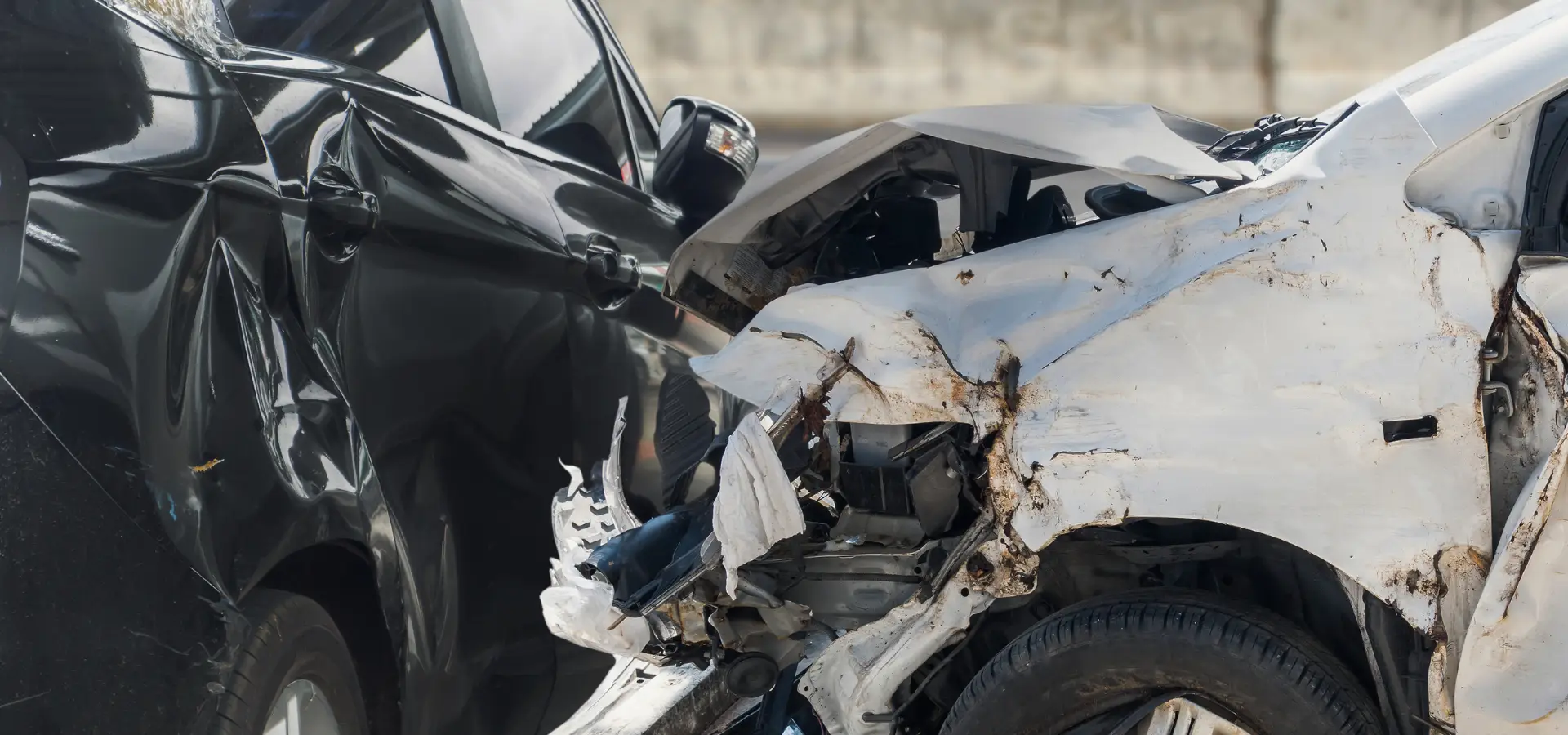
Knowing who may be responsible after an Uber or Lyft accident can be difficult, especially when multiple parties and insurance policies are involved. At West Coast Trial Lawyers, our California rideshare accident attorneys can help assess the circumstances involved, explain your legal options, and work to secure compensation for losses incurred, such as medical bills, lost wages, and pain and suffering. If an accident results inwrongful death, we understand that no legal action can undo such a devastating loss. We can walk qualifying family members through their legal options and help them understand what steps may be available.
With a combined over 25 years of legal practice and more than $2 billion secured, our team has the knowledge and resources to handle personal injury claims, including rideshare accidents. We operate under a contingency-fee basis, meaning you owe us nothing unless we successfully settle your case.
To book a FREE consultation with one of our experienced personal injury attorneys, we invite you to connect with us by calling (213) 927-3700 or completing our quick online contact form.
This article is for informational purposes only and does not constitute legal advice.