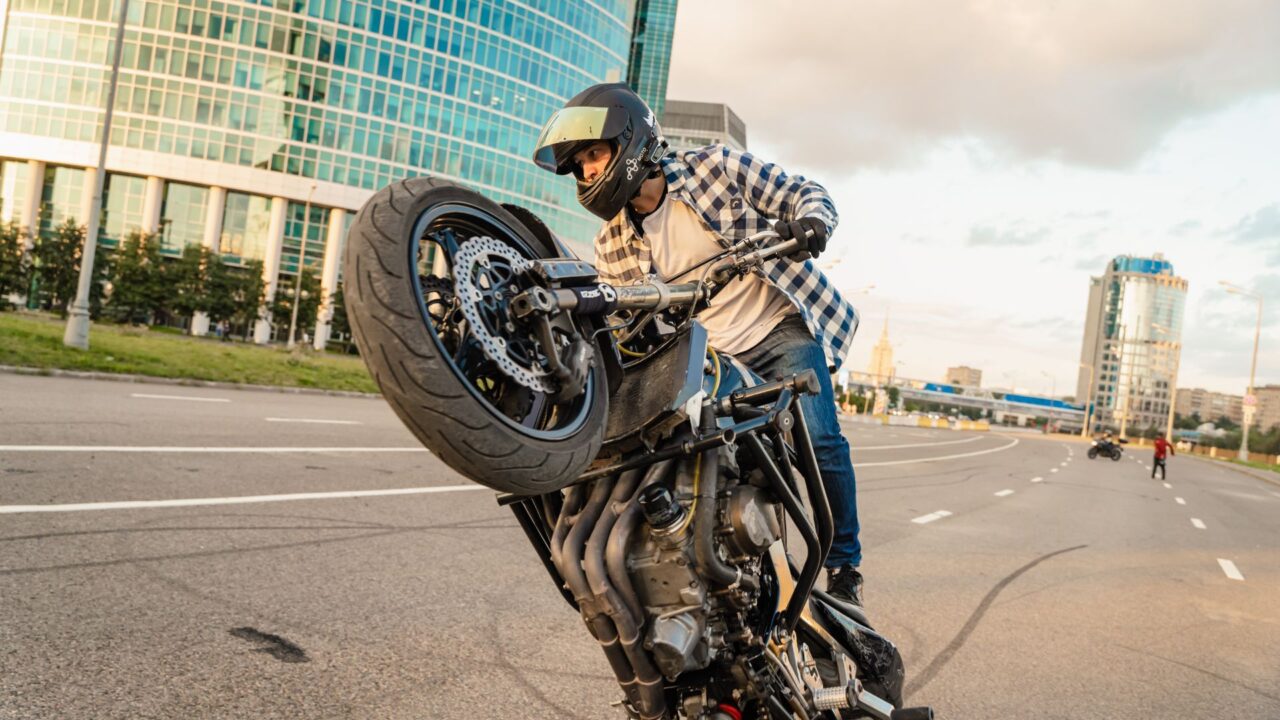
When it comes to motorcycle stunts, few are as exhilarating as the wheelie. Motorcycle enthusiasts may feel the urge to showcase their skills by lifting the front wheel off the ground and riding at fast speeds, however, the question has to be asked, “Are wheelies illegal and how does it affect an accident claim?”
Whether you are an avid motorcyclist or a friend of someone who has a motorcycle, it’s critical to understand the legal implications of performing wheelies on public roads. If not, then you may potentially be faced with a series of consequences and violations for performing this trick, especially in the event of an accident.
Quick Answer: Are Wheelies Illegal in the U.S.?
Whether you’re on a public highway, a neighborhood street, or a store parking lot, popping a wheelie on a moving motorcycle or mini bike is illegal in the country and will almost certainly expose you to criminal or traffic penalties. While nearly all state law codes will not mention the word “wheelie”, it is widely considered to be an act of reckless driving and that definition can serve as the basis of most accident claims that involve wheelies.
What Is a Wheelie?
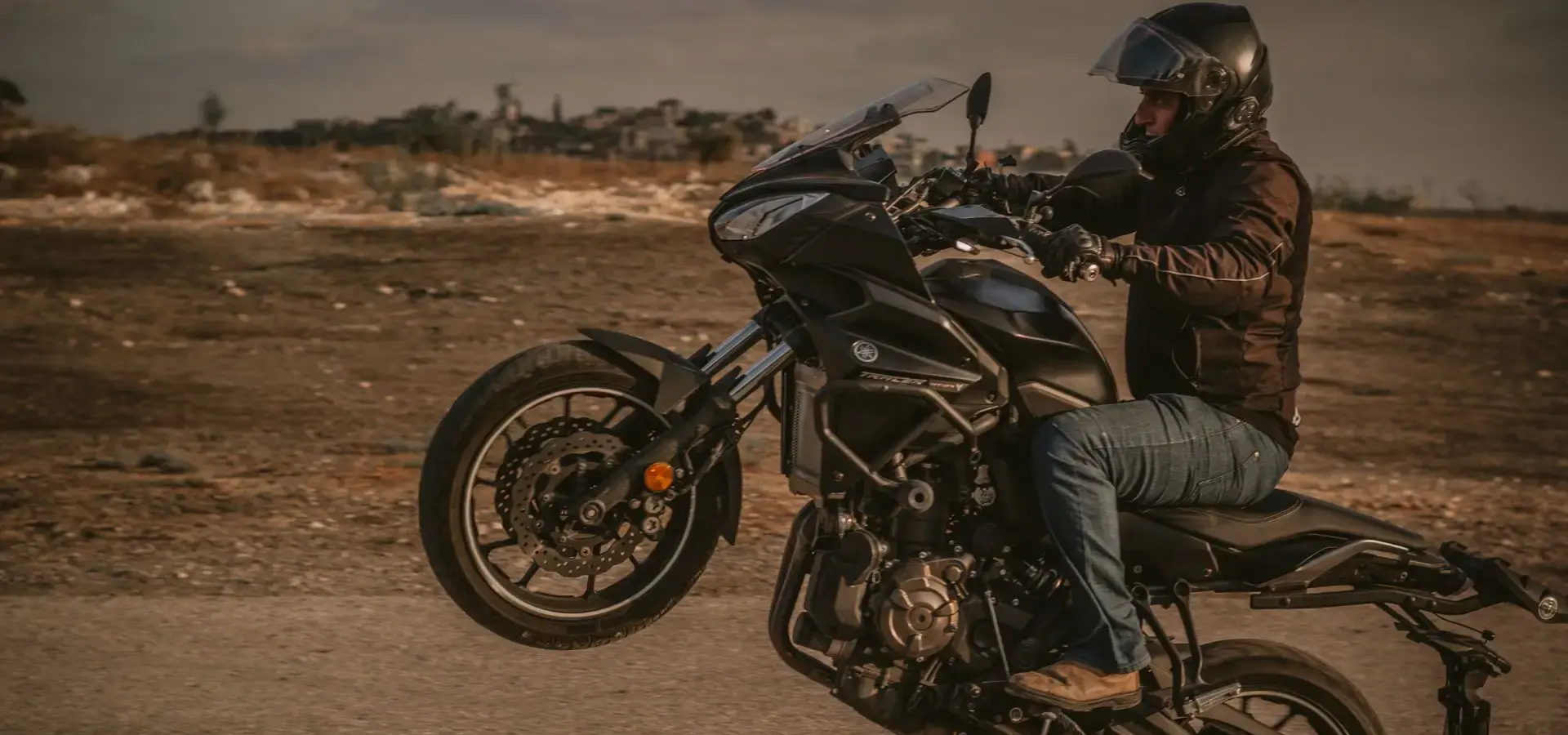
A wheelie is the act of intentionally lifting the front wheel off the ground while riding forward, balancing the bike on its rear wheel using throttle control, clutch manipulation, or body weight. While it demonstrates a high level of skill and control, performing a wheelie on public roads can be dangerous and is often frowned upon by law enforcement due to safety concerns.
Why Police May Cite a Rider for a Wheelie
Since wheelies are widely considered to be a performance based maneuver, they are deemed as an act of reckless driving which allows local police officers and highway patrol to cite and arrest riders. In fact, there are a number of reasons why traffic laws treat this as dangerous behavior:
- Loss of steering- With one wheel off the ground, you lose directional control which makes it nearly impossible to dodge obstacles or react to sudden hazards.
- Longer stopping distance- The front brake is useless during a wheelie and trying to utilize the rear brake alone is far less effective, especially at speed.
- Flip and crash risk- Performing a wheelie significantly increases the chances of flipping over and crashing, especially for new motorcyclists as it requires a good balance of speed, weight balance, and control.
- Reduced visibility- A rider’s posture shifts during a wheelie, limiting their view of the road ahead and other drivers around them.
A wheelie is more likely to create legal trouble when it involves high speeds, heavy traffic, street takeovers, school zones, construction zones, or a motorcycle crash causing injury or death.
State-by-State Wheelie Laws
When it comes to the actual wording of the legality of wheelies, many riders try to justify that there is no exact law that makes it unlawful. While many traffic laws vary across states, most states do not need a wheelie-specific law to cite the rider as many police officers can use reckless driving, careless driving, unsafe movement, speed exhibition, or stunt-driving statutes.
Are Wheelies Illegal If the Road Is Empty or in a Parking Lot?
Most riders assume that an empty highway at midnight makes wheelies safe and legal, however that is beyond the case. Reckless driving laws don’t require actual traffic, because they focus on the inherent risk of the maneuver itself.
Popping wheelies in parking lots or large empty areas that are open to the public are also considered to be illegal because those areas are generally treated as the same as a public road.
What If It Occurred During a Parade or Street Takeover?
While it is understandable to perform stunts during a celebratory time such as a parade, but wheelies are still illegal especially if it is being performed by motorcycle riders who are not part of the event planners of the parade. Additionally, performing wheelies at street takeovers are extremely unlawful due to the amount of dangerous stunts performed at an intersection or area.
As many states like California are passing stricter laws to combat street takeovers and stunt riding, it does not matter whether a motorcyclist was performing a wheelie at an impromptu event or an empty parking lot, because both acts are illegal. Furthermore, if the motorcyclist was involved in an accident while performing a wheelie, it can complicate the legal process even if they were not at fault.
What if a Driver Hits a Rider Who Was Doing a Wheelie?
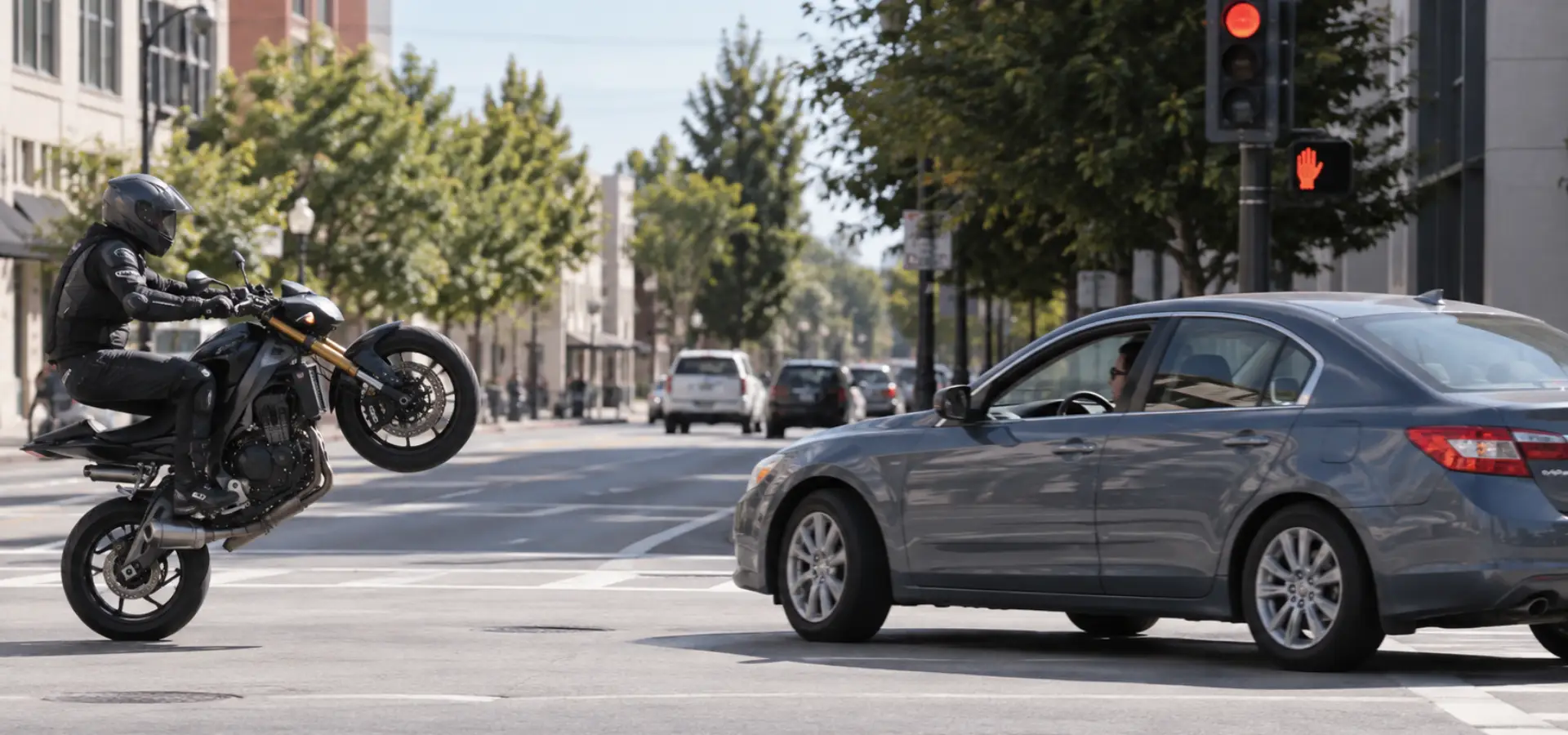
A driver can still be liable for hitting a motorcyclist, even if the rider was doing something unsafe. The question is whether the driver’s conduct caused or contributed to the crash. For instance, a driver may still be responsible if they:
- Failed to yield while turning left
- Changed lanes without checking blind spots
- Opened a door into a rider’s path
- Ran a red light or stop sign
- Followed too closely
- Drove distracted
- Entered traffic without enough space
- Forced the motorcycle off the road
Even if a driver hits a motorcyclist while performing a stunt, the rider’s accident claim does not automatically make the driver blameless. In fact, insurance companies often try to use motorcycle stereotypes to their advantage, because if they can frame the rider as reckless, they may use that story to justify a low settlement offer. A strong motorcycle accident claim should separate what actually caused the collision from conduct that may look bad but did not meaningfully contribute to the crash.
Can a Wheelie Affect a Motorcycle Accident Claim?
A wheelie definitely affects a motorcycle accident claim because whether the motorcycle rider was at-fault or not, insurance companies will try to dispute and deny coverage by arguing that the stunt riding contributed to the crash or made any injuries worse.
In a motorcycle accident case, liability and degrees of fault are extremely impactful especially in complex cases that involve stunt riding, because it can ultimately affect how much an injured person can recover for their injuries. Furthermore, insurance companies may even take additional actions such as increasing premiums, cancel insurance policies, or make it difficult to renew coverage.
With that in mind, if your wheelie causes a crash that injures another person or damages property, you can be sued for damages, but if another person has caused the accident while you were popping a wheelie, recovering fair compensation for the accident may be difficult to handle on your own.
Call WCTL If You Have Been Injured in a Motorcycle Accident
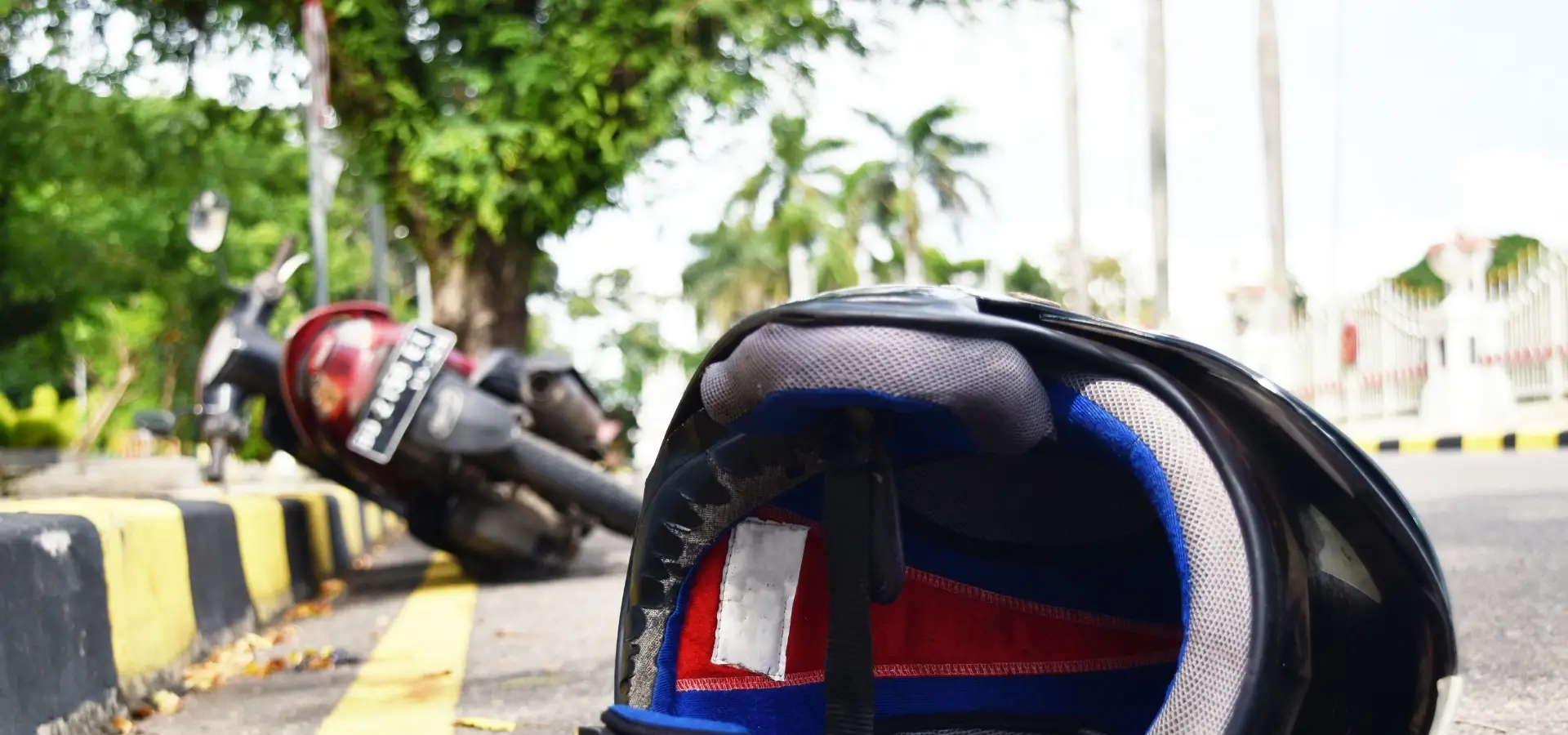
A wheelie can complicate a motorcycle accident claim, but it does not automatically decide who is responsible. The outcome depends on where the accident happened, what law applies, what the evidence shows, and whether the rider’s conduct actually caused or contributed to the crash.
However, at West Coast Trial Lawyers, our firm represents injured motorcycle riders and accident victims across California, Nevada, Arizona, Washington, and many more. Our attorneys can investigate the crash, preserve video footage, respond to unfair fault-shifting arguments, and pursue the compensation you deserve under state law.
Call (213) 927-3700 or use our online contact form to speak with our legal team.